HR Analytics vs Traditional HR Methods
Explore HR Analytics vs Traditional HR Methods, comparing their key differences, benefits, limitations, and role in improving workforce management and HR decisions.
 Aiswarya N
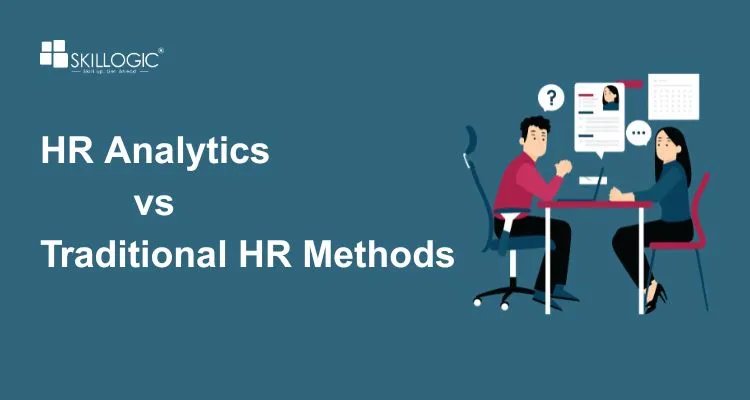
Human resource management involves much more than hiring employees and maintaining records. HR teams also need to understand employee performance, improve retention, plan workforce requirements, and support business goals. Traditionally, these activities have relied on manual records, periodic reviews, and the experience of HR professionals. Today, organizations can also use data analysis to understand workforce trends and make more informed decisions.
Understanding the difference between HR Analytics and traditional HR methods helps businesses choose the right approach for their workforce needs. While traditional methods offer personal interaction and practical judgment, HR analytics helps identify patterns and measure outcomes using employee data.
Here, we explore HR analytics vs traditional HR methods and how these approaches are shaping modern human resource management.
Understanding Traditional HR Methods
Traditional HR methods refer to the conventional ways organizations manage employees and carry out human resource activities. These methods often depend on manual processes, direct communication, employee records, and the experience of HR managers.
For example, an HR manager may review paper-based attendance records, conduct periodic performance appraisals, or use interviews and personal observations to evaluate employees.
Understanding HR Analytics
HR analytics is the process of collecting, analyzing, and interpreting workforce data to support human resource decisions. It helps organizations understand what is happening within their workforce, why certain issues occur, and what actions may improve outcomes.
For example, instead of simply recording employee resignations, an organization can analyze turnover data by department, tenure, job role, or other relevant factors. This may help HR teams identify patterns and investigate the reasons behind employee departures.
Refer these articles:
- The Hidden Role of Business Analysts in Successful Startups
- Agile for Business Analysts: A Practical Implementation Guide
- Boosting Employee Engagement Through HR Analytics Tools
HR Analytics vs Traditional HR Methods: Key Differences
Both approaches aim to improve employee management and organizational performance, but they differ in how HR activities are carried out.
The following are the key differences between HR analytics and traditional HR methods across various human resource functions:
Decision-Making Approach
Traditional HR methods often depend on managerial experience, observations, and personal judgment. HR analytics adds measurable evidence to this process by identifying trends and comparing outcomes. These insights can be particularly useful for HR analytics for leaders, helping them evaluate workforce challenges and make better-informed decisions based on employee data.
Data Collection and Analysis
Traditional HR teams may use spreadsheets, forms, interviews, and employee records to collect information. Although these methods remain useful, analyzing large amounts of data manually can be difficult.
HR analytics uses data analysis tools and dashboards to organize information, identify patterns, and present findings in a more accessible format.
Recruitment and Talent Acquisition
Traditional recruitment relies heavily on resume screening, interviews, and recruiter experience. HR analytics can help track metrics such as time to hire, recruitment costs, candidate sources, and offer acceptance rates.
This allows organizations to evaluate which recruitment channels are effective and where hiring processes may need improvement. However, final hiring decisions should still involve human assessment and appropriate checks for fairness.
Employee Performance Evaluation
Traditional performance reviews often take place at scheduled intervals and depend on manager assessments, feedback, and established performance criteria.
HR analytics can help track relevant performance indicators over time and compare results against agreed objectives. These insights can support performance discussions, but they should not replace meaningful conversations or account for employee circumstances.
Employee Engagement and Retention
Traditional methods use surveys, employee meetings, and exit interviews to understand workplace concerns. HR analytics can combine these sources with workforce data to identify recurring patterns.
For example, an organization may compare turnover across teams and investigate whether management practices, workload, or career development opportunities are contributing factors.
Workforce Planning
Traditional workforce planning often relies on budgets, managerial estimates, and past staffing requirements. HR analytics can examine historical hiring patterns, employee turnover, skill gaps, and projected business needs to support more evidence-based planning.
Reporting and Efficiency
Manual reporting requires HR teams to gather information, check figures, and prepare summaries. Tools using AI in HR analytics can help automate parts of this process through dashboards, report summaries, and data analysis, making workforce insights easier to access.
Deloitte's 2026 Global Human Capital Trends research found that 60% of executives regularly use AI to support their decisions. Although this finding concerns decision-making more broadly, it reflects the growing role of AI-supported analysis in organizational planning.
Accuracy and Potential Bias
Traditional methods can be affected by inconsistent recordkeeping or subjective judgments. HR analytics can improve consistency when reliable data and suitable methods are used.
However, analytics is not automatically objective. Incomplete data, poorly selected metrics, and biased algorithms can produce misleading findings. Both approaches require careful judgment and appropriate review.
Cost and Implementation
Traditional methods may require fewer specialized tools, particularly in smaller organizations. HR analytics may involve software costs, data integration, employee training, and ongoing maintenance.
The appropriate choice depends on the organization's size, available resources, workforce challenges, and ability to use data effectively.
Refer these articles:
- How to Become a Business Analytics Expert in India
- Business Analytics Scope in India
- How much is the Business Analytics Course Fee in India
Benefits of HR Analytics Over Traditional HR Methods
HR analytics helps organizations make informed workforce decisions by identifying patterns, measuring outcomes, and improving HR processes.
Here are some key benefits of HR analytics and how it can help organizations improve workforce management and HR decision-making:
Better Recruitment Decisions
Recruitment data helps HR teams evaluate hiring channels, track recruitment time, and identify areas for improvement.
Improved Employee Retention
Analyzing turnover rates and employee feedback helps organizations identify retention challenges and take appropriate action.
More Effective Workforce Planning
Workforce data helps businesses identify staffing gaps, assess skill requirements, and plan future hiring and training.
Measurable Business Outcomes
HR analytics allows organizations to measure the impact of HR initiatives. McKinsey People Analytics Findings highlight potential improvements of up to 80% in recruiting efficiency, 25% in productivity, and 50% in attrition reduction. These are potential outcomes, not guaranteed results, and depend on the organization's context and implementation.
Limitations of HR Analytics Compared with Traditional HR Methods
Despite its benefits, HR analytics presents challenges that organizations must address for effective implementation.
Here are some key limitations of HR analytics that organizations should consider when adopting data-driven HR practices:
Implementation Costs and Skills
Analytics tools may require investment in software, data integration, training, and technical support. HR professionals also need the skills to interpret results correctly.
Dependence on Data Quality
Incomplete, outdated, or inconsistent employee data can lead to misleading insights and poor decisions.
Data Privacy and Security
Organizations must protect sensitive employee information, restrict access appropriately, and follow applicable privacy requirements.
Risk of Bias and Overreliance on Data
Biased data or algorithms can produce unfair outcomes. HR teams should review analytical findings carefully and avoid relying entirely on automated recommendations.
Gartner reported that only 24% of HR functions surveyed were maximizing the business value of HR technology, while 69% of more than 1,200 employees surveyed had experienced at least one barrier when interacting with HR technology in the previous 12 months. These findings highlight the importance of effective implementation, usability, and employee support.
Traditional HR methods also remain valuable because employee concerns and individual circumstances cannot always be captured through data alone. Combining analytics with human judgment helps organizations make more balanced decisions.
In short, HR analytics and traditional HR methods serve the same broad purpose: helping organizations manage their workforce effectively. Traditional approaches offer personal interaction, experience, and flexibility, while HR analytics provides measurable insights that support recruitment, retention, performance management, and workforce planning.
Neither approach is sufficient for every situation. Organizations should choose methods based on their requirements, available resources, and the decisions they need to make. Combining reliable workforce data with professional judgment can help HR teams make better-informed decisions while keeping employee needs and business objectives in view.
SKILLOGIC’s HR Analytics Courses combines structured learning with practical training to help learners understand workforce data, HR metrics, recruitment trends, employee performance, and people analytics dashboards. The course includes real time projects and case studies, along with IABAC certification to support professional development. With guidance from experienced trainers and classroom and online learning options, SKILLOGIC helps learners build relevant HR analytics skills through its training centers in Bangalore, Chennai, Coimbatore, Hyderabad, Ahmedabad, Pune, Mumbai, and Delhi.