Scope of HR Analytics
Explore the scope of HR analytics, including key applications, career opportunities, workforce planning, employee performance, and data-driven HR decision-making.
 Aiswarya N
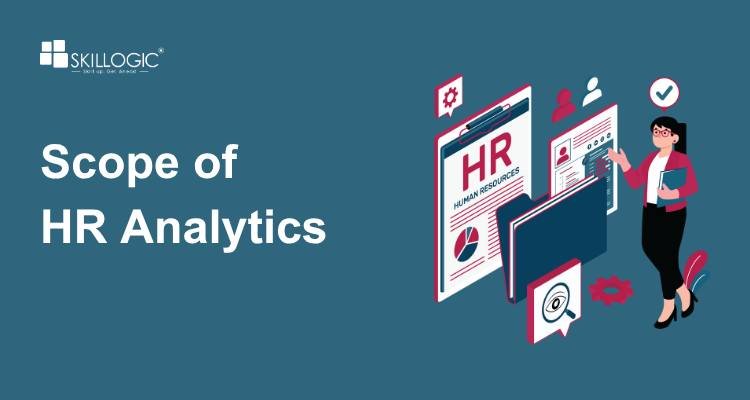
HR analytics helps organizations make better decisions about their employees by using data instead of relying only on assumptions or personal opinions. From hiring the right candidates to understanding employee turnover, data gives HR teams a clearer picture of what is working and what needs improvement.
The scope of HR analytics extends across recruitment, employee performance, learning and development, workforce planning, and several other HR functions. It also helps businesses identify workforce trends, measure the results of HR initiatives, and plan for future staffing needs.
Understanding how HR analytics works can help students, HR professionals, and aspiring analysts recognize how data supports everyday human resource decisions.
What is HR Analytics?
HR analytics is the process of collecting, analyzing, and interpreting employee-related data to improve human resource management. It helps organizations understand workforce patterns and use those findings to make informed decisions.
For example, if a company notices that many employees leave within their first six months, HR analytics can help investigate the reasons. The organization might discover that employees are unclear about their responsibilities, lack proper training, or find better opportunities elsewhere.
HR teams can then use these findings to improve onboarding, employee support, and retention strategies.
Traditional HR management often relies on experience, feedback, and established procedures. HR analytics adds measurable evidence to these decisions. Tools such as Excel, SQL, Power BI, and Tableau help HR teams organize information, identify patterns, and present findings through reports and dashboards.
The market for these capabilities is also attracting attention. According to Fortune Business Insights, the global HR analytics market was valued at USD5.38 billion in 2026 and is projected to reach USD14.54 billion by 2034, with a reported compound annual growth rate (CAGR) of 13.22%. This forecast reflects growing interest in using workforce data for more advanced analysis, although market estimates can vary by research methodology and forecast period.
Refer these articles:
- Using HR Analytics to Improve Workforce Planning
- Reducing Costs and Optimizing Resources with HR Analytics
- 7 Ways HR Analytics Can Help You Make Smarter People Decisions
Scope of HR Analytics in Human Resource Management
The scope of HR analytics covers several activities throughout the employee lifecycle. It helps HR teams understand what is happening within the workforce, identify the reasons behind certain outcomes, and decide what actions may improve results.
The key areas where HR analytics is used in human resource management include:
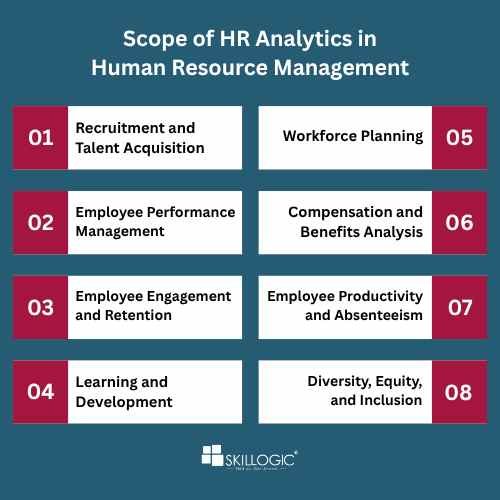
1. Recruitment and Talent Acquisition
HR analytics helps organizations track hiring costs, time-to-hire, offer acceptance rates, and early employee turnover. These metrics help identify issues in recruitment and onboarding.
According to McKinsey & Company's HR Monitor 2026 Report, the average job offer acceptance rate was 56%, while the average probationary termination rate was 18% across surveyed markets reporting this measure. This highlights the importance of tracking both candidate acceptance and new employee retention.
2. Employee Performance Management
HR analytics helps measure employee performance through productivity, goal completion, and work quality. For example, if a team regularly misses deadlines, HR can review workload, training, and project data to identify possible causes. Combining these metrics with employee and manager feedback provides a clearer picture of performance.
3. Employee Engagement and Retention
HR analytics helps organizations understand employee satisfaction, engagement, absenteeism, and turnover patterns. If many employees leave within their first year, HR teams can review onboarding, employee feedback, and exit interviews to identify possible reasons and improve retention.
4. Learning and Development
HR analytics helps identify skill gaps and measure whether training improves employee performance. According to The Josh Bersin Company in February 2026, 74% of surveyed companies struggled to keep up with demand for new skills, despite approximately $400 billion in annual corporate learning spending. This shows why organizations need to measure training outcomes and ensure learning programs address actual skill requirements.
5. Workforce Planning
HR analytics helps businesses forecast staffing needs, identify skill shortages, and plan recruitment. For example, retailers can use previous seasonal hiring data to estimate future staffing requirements, while technology companies can identify skills needed for upcoming projects.
6. Compensation and Benefits Analysis
HR analytics helps organizations evaluate salary structures, bonuses, incentives, and employee benefits. By comparing compensation across similar roles and examining market benchmarks, HR teams can identify pay differences, assess pay equity, and make informed decisions about employee rewards.
According to Mordor Intelligence's HR Analytics Market report, pay-equity and diversity analytics solutions account for a reported 69.73% of total market revenue. This highlights the importance of these capabilities within the HR analytics market and the growing role of data-driven tools in evaluating compensation and workforce equity.
Automated compensation audits can help HR teams flag unexplained salary gaps and review potential disparities, supporting more consistent and transparent pay practices.
7. Employee Productivity and Absenteeism
HR teams use analytics to examine attendance, overtime, workload, and productivity patterns. High absenteeism in a department, for example, may indicate scheduling issues or excessive workloads. These insights can help organizations improve working conditions without making assumptions about individual employees.
8. Diversity, Equity, and Inclusion
HR analytics helps organizations assess workforce representation and fairness in recruitment, promotions, salaries, and career development. Comparing promotion rates across employee groups can reveal patterns that need further investigation. Organizations must protect employee privacy and interpret sensitive workforce data carefully.
Scope of HR Analytics Across Industries
HR analytics is useful across industries because every organization needs to recruit employees, manage performance, develop skills, and plan its workforce.
However, the type of analysis varies depending on the business environment.
- IT and technology: Organizations analyze employee turnover, technical skill gaps, project staffing, and training requirements.
- Healthcare: Hospitals and healthcare providers examine shift coverage, staffing levels, absenteeism, and workforce availability.
- Manufacturing: HR teams track attendance, workforce productivity, training completion, and staffing requirements across production units.
- Banking and Financial services: Organizations analyze recruitment outcomes, employee performance, compliance training, and workforce retention.
- Retail and E-commerce: Businesses use workforce data to plan seasonal hiring, employee scheduling, staffing levels, and retention.
For example, a hospital may use workforce analytics to improve shift planning, while an IT company may focus on retaining employees with specialized technical skills. The underlying approach is similar, but the business questions and performance measures differ.
How HR Analytics Helps Businesses Make Better Decisions
HR analytics helps businesses interpret workforce data, compare possible solutions, and evaluate the results of their decisions. Rather than relying only on assumptions, managers can use evidence to choose actions that support organizational goals.
Here are some ways HR analytics supports business decision-making:
- Setting priorities: Data helps managers identify which workforce issues need immediate attention and allocate resources accordingly.
- Evaluating alternatives: HR teams can compare different approaches, such as introducing a new training program or changing an existing HR policy, before deciding which is more suitable.
- Measuring business impact: Organizations can assess whether HR initiatives improve outcomes and justify the resources invested in them.
- Supporting budget decisions: Workforce data helps decision-makers understand HR costs and determine where investments may provide greater value.
- Monitoring results: After implementing a change, organizations can track relevant metrics to determine whether the decision achieved its intended outcome.
For example, if a company introduces a new employee training program, HR teams can compare its cost, assessment results, and subsequent work performance with those of previous programs. This evidence helps managers decide whether to continue, modify, or replace the program.
In this way, HR analytics connects workforce information with practical business decisions and helps organizations assess whether their actions are producing the desired results.
Refer these articles:
- How to become a Business Analyst in India
- Business Analytics Scope in India
- How to Become a Business Analytics Expert in India
Future of HR Analytics
The future of HR analytics will focus on using advanced technology and workforce data to make faster, more accurate, and forward-looking decisions. HR teams will increasingly move from reviewing past performance to forecasting future workforce needs.
The key trends shaping the future of HR analytics include:
AI-Driven HR Analytics
AI will help HR teams analyze large volumes of employee data, identify patterns, and generate insights faster. The use of generative AI in hr analytics can further simplify report preparation, summarize workforce trends, and support data-driven decision-making.
Predictive People Analytics
Predictive analytics will help organizations forecast employee turnover, staffing requirements, and future skill shortages. This will allow HR teams to prepare for workforce changes before they affect business operations.
Real-Time Workforce Insights
With more connected HR systems, organizations will be able to access updated information on recruitment, attendance, performance, and employee engagement. This will help managers respond to workforce issues sooner rather than waiting for periodic reports.
Automated HR Reporting
Routine reports and dashboards will become increasingly automated, reducing manual data collection and analysis. HR professionals will be able to spend more time interpreting results and planning workforce improvements.
Skills Forecasting and Internal Mobility
HR analytics will increasingly help organizations predict which skills they will need, identify existing employee capabilities, and match employees with suitable internal roles. This will support workforce planning and continuous employee development.
In short, the scope of HR analytics extends across recruitment, performance management, employee retention, learning and development, compensation, and workforce planning. It helps organizations understand workforce patterns, measure HR outcomes, and make decisions based on evidence rather than assumptions.
As AI, predictive analytics, and automated reporting become more common, HR professionals will increasingly need to combine knowledge of human resource management with analytical and technical skills. Understanding tools such as Excel, SQL, and Power BI can provide a useful foundation for working with workforce data.
For learners interested in developing these capabilities, structured HR analytics training can provide practical exposure to HR metrics, data interpretation, reporting, and analytical tools used in workforce decision-making.
SKILLOGIC is a professional training institute with over 15 years of experience in industry-focused education across Business Analytics, HR Analytics, Marketing Analytics, Cyber Security, Ethical Hacking, PMP, and other domains. With over 150,000 learners globally, more than 100 expert trainers, and 25+ global accreditations, SKILLOGIC combines practical instruction with real-world projects and case studies. SKILLOGIC’s HR Analytics Certification Course, accredited by IABAC, covers workforce data analysis, HR metrics, recruitment analytics, employee performance, and dashboard creation. Learners interested in developing these skills can explore the HR analytics course to understand its curriculum and training approach.