4 Types of HR Analytics: A Comprehensive Guide
Explore the 4 types of HR analytics: descriptive, diagnostic, predictive, and prescriptive. Learn their benefits, practical examples, and how organizations use workforce data to improve decision-making, employee retention, performance, and workforce planning.
 Aiswarya N
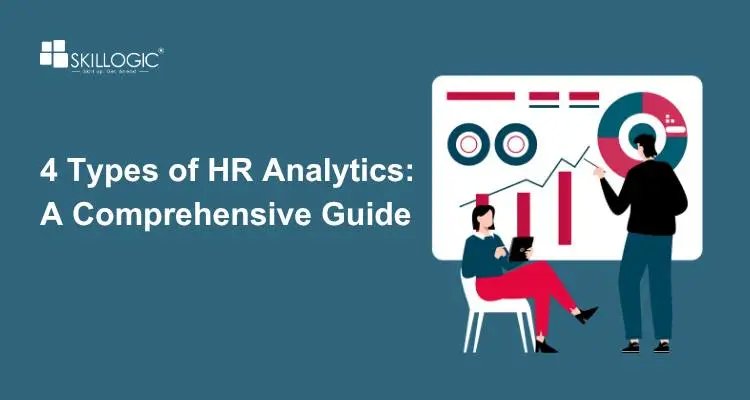
Human resources teams handle a wide range of responsibilities, from hiring employees to improving performance and planning future workforce needs. Making these decisions becomes easier when HR professionals understand the information behind them. This is where HR analytics becomes useful.
HR analytics involves collecting and analyzing employee-related data to understand workforce trends and support better decisions. It helps organizations evaluate recruitment, investigate employee turnover, measure performance, and plan for future skill requirements.
In this guide, we will explore the 4 types of HR analytics, how each one works, and where organizations can apply them.
What is HR Analytics?
HR analytics is the process of using employee and workforce data to identify patterns, measure results, and make informed HR decisions. The data may include attendance records, recruitment figures, employee feedback, performance reviews, and turnover rates.
For example, if a company notices that many employees are leaving within their first year, its HR team can examine onboarding feedback, compensation, job responsibilities, and manager support to investigate possible reasons.
By analyzing this information, HR professionals can make decisions based on evidence rather than assumptions.
Refer these articles:
- Using HR Analytics to Improve Workforce Planning
- Reducing Costs and Optimizing Resources with HR Analytics
- 7 Ways HR Analytics Can Help You Make Smarter People Decisions
Why is HR Analytics Important?
Organizations need reliable workforce information to manage employees effectively and plan for future business needs. HR analytics supports several important activities:
- Better decision-making: Provides evidence to support recruitment, training, and workforce management decisions.
- Improved recruitment: Helps evaluate hiring channels, recruitment costs, and selection timelines.
- Employee retention: Reveals turnover patterns and helps identify areas that may require attention.
- Performance improvement: Highlights performance gaps and potential training requirements.
- Workforce planning: Helps estimate future staffing needs and identify skill shortages.
The market outlook also reflects growing interest in this field. According to a report by SNS Insider, the global HR analytics market is expected to grow from USD 4.72 billion in 2026 to USD 18.15 billion by 2035, at a CAGR of 14.30%. These figures are market estimates and projections, not guaranteed outcomes.
Understanding the different types of HR analytics helps organizations select suitable methods for their workforce challenges.
What Are the 4 Types of HR Analytics?
The four main types are descriptive, diagnostic, predictive, and prescriptive analytics. As data-driven decision-making becomes more common, HR analytics is shaping the future of HR careers.
The 4 types of HR analytics are explained below, along with their examples and benefits.
1. Descriptive HR Analytics
Descriptive HR analytics explains what has already happened by summarizing historical workforce data. It helps HR teams monitor performance, measure results, and identify visible trends.
Examples of Descriptive HR Analytics
Common applications include:
- Tracking monthly employee turnover.
- Measuring the number of vacancies filled.
- Reviewing attendance and absenteeism records.
- Summarizing employee training participation.
- Comparing recruitment costs across departments.
For example, an HR manager can review quarterly turnover reports to determine which departments experienced the highest employee exits.
Benefits of Descriptive Analytics
Descriptive analytics provides a clear overview of workforce activity. It helps HR teams establish performance benchmarks, monitor changes over time, and identify areas that may require further investigation.
According to Mordor Intelligence's HR Analytics Software Market report, descriptive analytics accounted for a reported 33.14% of market revenue in 2025. This highlights its role in workforce reporting and data monitoring.
2. Diagnostic HR Analytics
Diagnostic HR analytics investigates why something happened. It examines workforce data to identify possible explanations for trends or unexpected results.
For example, if employee turnover increases in one department, HR professionals can examine workload, compensation, employee feedback, and management practices to identify factors associated with the increase.
Examples of Diagnostic HR Analytics
Organizations can use diagnostic analytics to:
- Investigate reasons for employee attrition.
- Identify factors contributing to recruitment delays.
- Examine patterns in employee absenteeism.
- Understand low participation in training programs.
- Explore factors associated with declining productivity.
Benefits of Diagnostic Analytics
Diagnostic analytics helps HR teams move beyond identifying a problem to investigating its possible causes. This allows them to focus on relevant factors before deciding which improvements to implement.
However, a relationship between two factors does not automatically establish that one caused the other. Findings should be evaluated alongside other evidence and workplace context.
3. Predictive HR Analytics
Predictive HR analytics uses historical data, statistical methods, and sometimes machine learning to estimate possible future workforce outcomes.
For example, an organization can analyze previous hiring patterns, employee turnover, and business growth to forecast future staffing requirements. The accuracy of these estimates depends on data quality, assumptions, and changing business conditions.
Examples of Predictive HR Analytics
Common applications include:
- Estimating future employee turnover risks.
- Forecasting recruitment requirements.
- Identifying potential skill shortages.
- Estimating future workforce costs.
- Predicting demand for specific training programs.
Benefits of Predictive Analytics
Predictive analytics helps HR teams prepare for potential workforce challenges before they become more difficult to manage. It supports recruitment forecasting, succession planning, and future skill development.
The same Mordor Intelligence report projects predictive analytics to grow at a CAGR of 15.18%, identifying it as the fastest-growing segment in the report. This reflects increasing interest in forward-looking workforce analysis.
Among the 4 types of HR analytics, predictive analytics is particularly useful when organizations need to anticipate future requirements and prepare accordingly.
4. Prescriptive HR Analytics
Prescriptive HR analytics evaluates possible actions using available data, predicted outcomes, and organizational objectives. It helps HR professionals compare alternatives and determine which approaches may be most suitable.
For example, if a company anticipates a shortage of employees with specific technical skills, HR teams can compare hiring new employees, training existing staff, and reallocating employees to different roles.
Examples of Prescriptive HR Analytics
Organizations may use prescriptive analytics to:
- Compare recruitment strategies based on cost and hiring time.
- Evaluate training options for identified skill gaps.
- Assess alternative workforce allocation plans.
- Compare possible employee retention initiatives.
- Evaluate staffing scenarios against business requirements.
Benefits of Prescriptive Analytics
Prescriptive analytics helps HR teams understand the potential outcomes of different decisions and evaluate which actions best align with business goals.
However, recommendations should not replace human judgment. Practicing ethics in HR analytics involves protecting employee privacy, ensuring fairness, preventing data bias, and using workforce information responsibly. HR professionals should review analytical recommendations carefully to ensure that decisions respect employee rights and organizational policies.
Key Differences Between the 4 Types of HR Analytics
The main difference between the 4 types of lies in the question each one answers:
- Descriptive Analytics: Reviews historical workforce data to show trends in areas such as employee turnover, attendance, and recruitment.
- Diagnostic Analytics: Examines workforce data to identify the possible reasons behind trends or problems, such as high employee turnover.
- Predictive Analytics: Uses historical data and patterns to forecast potential workforce outcomes, including future hiring needs and attrition risks.
- Prescriptive Analytics: Evaluates possible actions and recommends suitable strategies to address workforce challenges and achieve HR goals.
Consider a company experiencing high employee turnover. Descriptive analytics measures the number of employees leaving, diagnostic analytics investigates possible reasons, predictive analytics estimates future turnover risks, and prescriptive analytics evaluates potential retention strategies.
Together, these methods help HR teams understand problems more thoroughly and make better-informed decisions.
Refer these articles:
- How to become a Business Analyst in India
- Business Analytics Scope in India
- How to Become a Business Analytics Expert in India
How Organizations Use Different Types of HR Analytics?
HR teams can apply these methods across several important workforce activities. These are the ways in which organizations can use different types of HR analytics together:
Recruitment and Talent Acquisition
Descriptive analytics tracks hiring numbers and time-to-hire, while diagnostic analytics identifies reasons for recruitment delays. Predictive analytics forecasts hiring demand, and prescriptive analytics helps select suitable recruitment channels.
Employee Performance and Productivity
Descriptive analytics summarizes performance ratings, diagnostic analytics investigates performance gaps, predictive analytics identifies potential performance risks, and prescriptive analytics helps determine suitable training or support.
Employee Retention and Engagement
Descriptive analytics measures turnover rates and engagement scores. Diagnostic analytics investigates why employees leave, predictive analytics estimates attrition risks, and prescriptive analytics helps evaluate retention strategies.
Workforce Planning and Talent Development
Descriptive analytics tracks workforce size and existing skills. Diagnostic analytics examines skill gaps, predictive analytics forecasts future talent requirements, and prescriptive analytics compares hiring, reskilling, and internal mobility options.
Using the types of HR analytics in combination can help organizations connect workforce information with practical decisions. The right approach depends on the question being investigated, the available data, and the resources needed to act on the findings.
HR analytics helps organizations understand workforce patterns and make more informed decisions about people. Descriptive analytics explains what happened, diagnostic analytics explores why it happened, predictive analytics estimates what may happen, and prescriptive analytics helps evaluate what to do next.
In short, understanding the 4 types of HR analytics gives HR professionals a practical way to move from reviewing employee data to planning and evaluating actions. When these methods are used responsibly alongside human judgment, they can support better recruitment, employee development, retention, and workforce planning.
SKILLOGIC is a professional training and certification provider with over 15 years of experience in delivering industry-focused training across Business Analytics, HR analytics, Cyber Security, Ethical Hacking, PMP and other fields. With over 150,000 learners globally, more than 100 expert trainers, and over 25 global accreditations, SKILLOGIC emphasizes practical learning through real-time projects and case studies. SKILLOGIC’s HR analytics certification course is accredited by IABAC, helps learners develop skills in workforce data analysis, HR metrics, recruitment analytics, employee performance evaluation, and HR dashboard creation. Through structured training and hands-on learning, the course helps aspiring HR and analytics professionals apply HR analytics concepts in practical work settings.