Top Cyber Security Skills You Need to Master
Master the top cyber security skills needed to build a successful career, strengthen your expertise, and stay ahead in the growing cyber security industry.
 Nashid Hussain CN
Cyber security has become a critical priority for organizations as businesses increasingly depend on digital systems, cloud platforms, networks, and data. The growing number of cyber threats, including phishing, ransomware, malware, data breaches, and social engineering attacks, has increased the need for professionals who can identify risks, protect systems, and respond effectively to security incidents. As a result, cyber security continues to offer strong career opportunities for both beginners and experienced IT professionals.
Building the right technical and analytical skills is essential for anyone who wants to develop a successful career in this field. From network security and ethical hacking to threat detection, cloud security, and incident response, professionals need a combination of practical knowledge and problem-solving abilities to handle evolving security challenges. Whether you are starting your career or looking to strengthen your existing expertise through Cyber Security training, understanding the most important skills can help you choose the right learning path and prepare for industry requirements.
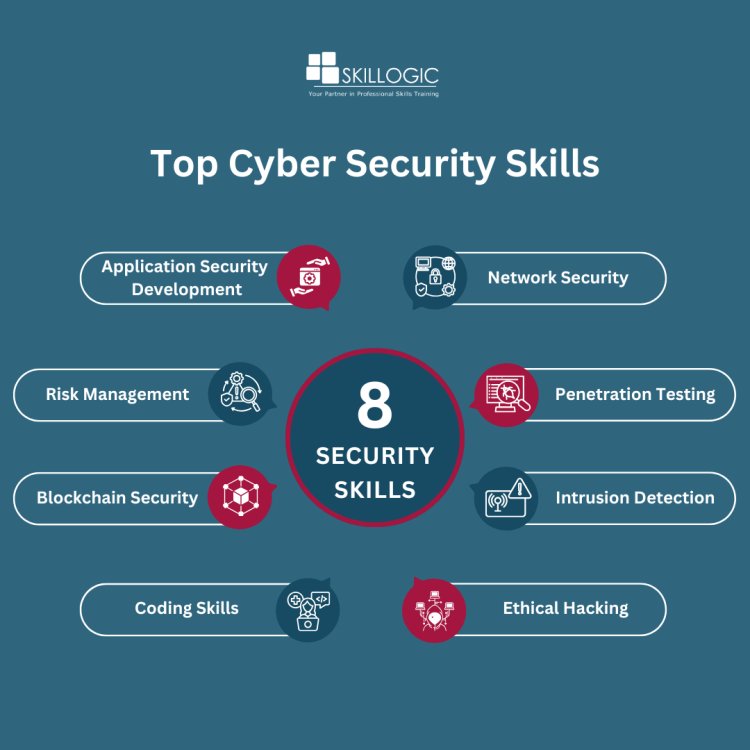
Here, we will discuss the top 8 cyber security skills you need to master and explain how each skill can help you build practical knowledge and advance your career in the cyber security field.
Overview of Cyber Security: The Backbone of Digital Safety
Cyber Security is more than just a trending topic; it is a critical practice essential for protecting sensitive data from unauthorized access and attacks. As reliance on digital technologies grows, the significance of robust Cyber Security measures becomes increasingly apparent. From individual users to large multinational corporations, everyone is a potential target for cybercriminals. Data breaches can lead to significant financial losses, harm to reputation, and legal consequences. Consequently, developing comprehensive Cyber Security strategies is vital for both organizations and individuals. By safeguarding data, Cyber Security ensures the integrity and functionality of crucial systems, making it a fundamental aspect of our daily lives.
The demand for Cyber Security professionals is skyrocketing, with numerous reports indicating a significant shortage of skilled workers in the field. Organizations across various sectors are actively seeking qualified individuals to protect their digital assets and maintain compliance and regulations, making Cyber Security one of the most lucrative career paths available today. As technology continues to advance, the need for effective Cyber Security measures will only increase, further highlighting the importance of Cyber Security.
The scope of Cyber Security is extensive, covering multiple domains such as information security, network security, and application security. This diversity allows for a wide range of career opportunities that cater to different interests and skills. From technical roles like security analysts and ethical hackers to managerial positions focused on risk assessment and compliance, the array of opportunities in Cyber Security is vast and promising, offering a rewarding career for those willing to pursue it.
Refer these articles:
- Ransomware Attacks: How to Protect Your Organization
- Zero Trust Architecture: The Future of Cybersecurity
- 10 Essential Cyber Security Tools for Beginners
How to Develop Your Cyber Security Skills?
Developing strong cyber security skills requires more than reading about security concepts or completing a certification. Because cyber threats, security tools, and attack techniques continue to evolve, professionals need to regularly update their knowledge and apply what they learn through practical exercises. A combination of structured learning, hands-on practice, real-world exposure, and continuous professional development can help build stronger technical and problem-solving abilities.
Here, we will discuss practical ways to develop your cyber security skills, from pursuing relevant education and certifications to gaining hands-on experience, participating in security challenges, building a professional network, and keeping up with the latest industry developments.
Pursuing Education and Certifications
Enhancing your Cyber Security skills begins with formal education and certifications. Enrolling in a top Cyber Security course provides foundational knowledge in critical areas like network security and ethical hacking. Certifications such as CompTIA Security+, CISSP, and CEH validate your expertise and boost your appeal to employers.
Gaining Hands-On Experience
Practical experience helps you understand how cyber security concepts work in real situations. Practice through security labs, internships, CTF challenges, and personal projects to improve your technical and problem-solving skills. Working with tools such as SIEM platforms, vulnerability scanners, and network monitoring tools can also give you valuable industry-relevant experience.
Networking and Continuous Learning
Cyber security is constantly evolving, so staying updated is essential. Follow trusted security publications, attend webinars and industry events, and connect with other professionals through online communities. Regularly learning about new threats, tools, and security practices will help you keep your skills relevant and competitive.
Refer these articles:
Top Cyber Security Skills
In an era where cyber threats lurk around every corner, mastering specific skills in Cyber Security is essential for anyone looking to thrive in this field. Let’s dive into the top Cyber Security skills that can empower you to safeguard information and tackle today’s evolving challenges with confidence!
1. Application Security Development
Application security is a critical area within Cyber Security that focuses on protecting applications from vulnerabilities throughout their lifecycle. As businesses increasingly rely on web applications, understanding how to secure them becomes paramount.
To develop skills in application security:
- Learn Secure Coding Practices: Familiarize yourself with secure coding techniques to prevent common vulnerabilities such as SQL injection and cross-site scripting (XSS).
- Understand Application Development Frameworks: Knowing various frameworks can help you better understand potential weaknesses.
Moreover, familiarity with tools such as static and dynamic analysis software can further enhance your ability to secure applications.
2. Network Security
Network security involves the protection of networks from breaches, intrusions, and other malicious activities. It encompasses hardware and software technologies that work together to safeguard sensitive data and maintain network integrity.
To excel in network security:
- Understand Network Protocols: Familiarize yourself with protocols like TCP/IP, HTTP, and SSL/TLS, as they are fundamental to network communications.
- Learn to Use Firewalls and VPNs: Knowing how to configure and manage firewalls and virtual private networks (VPNs) is essential for safeguarding networks.
Additionally, becoming proficient in intrusion detection systems (IDS) can enhance your ability to monitor and respond to threats.
3. Risk Management
Risk management is a crucial aspect of Cyber Security that involves identifying, assessing, and mitigating risks associated with information assets. By mastering risk management, you can help organizations make informed decisions regarding their Cyber Security posture.
To develop skills in risk management:
- Study Risk Assessment Frameworks: Familiarize yourself with frameworks such as NIST, ISO 27001, or FAIR, which provide guidelines for risk assessment and management.
- Conduct Vulnerability Assessments: Learning to perform regular vulnerability assessments helps identify potential weaknesses in systems and applications.
Furthermore, effective communication skills are vital in this area, as you'll need to convey risks and recommendations to stakeholders.
4. Cloud Security
Cloud security focuses on protecting cloud platforms, applications, identities, and data from unauthorized access and cyber threats. As organizations increasingly use cloud services, understanding how to secure cloud environments has become an important cyber security skill.
To develop skills in cloud security:
- Learn Cloud Platforms: Gain basic knowledge of platforms such as AWS, Microsoft Azure, or Google Cloud.
- Understand Cloud Security Controls: Learn about identity and access management, encryption, network security, and security monitoring.
Additionally, practicing in cloud labs can help you identify misconfigurations and understand how security controls are applied in real-world cloud environments.
5. Penetration Testing
Penetration testing, also known as ethical hacking, involves simulating cyber attacks to detect weaknesses in systems. This proactive approach allows organizations to strengthen their defenses before actual attacks occur.
To excel in penetration testing:
- Learn Hacking Techniques: Familiarize yourself with tools and techniques used by malicious actors to identify potential weaknesses.
- Practice Using Penetration Testing Tools: Tools like Metasploit, Burp Suite, and Wireshark are essential for conducting effective tests.
Additionally, gaining experience in various environments, such as web applications and network infrastructures, can enhance your skills as a penetration tester.
6. Intrusion Detection and Security Monitoring
Intrusion detection and security monitoring involve continuously observing systems, networks, and endpoints to identify suspicious activity and potential security threats. These skills are important for detecting incidents early and supporting effective security operations.
To develop skills in intrusion detection and security monitoring:
- Learn Security Monitoring Tools: Understand how IDS, SIEM, and endpoint monitoring tools are used to detect and investigate threats.
- Analyze Logs and Alerts: Practice reviewing security logs and alerts to identify unusual behavior, suspicious activity, and potential incidents.
Additionally, hands-on practice with security monitoring labs can help you improve your ability to investigate alerts and respond to potential threats.
7. Blockchain Security
As blockchain technology continues to gain traction across various sectors, understanding its security implications is essential. Blockchain security focuses on protecting decentralized networks and ensuring the integrity of transactions.
To master blockchain security:
- Learn the Fundamentals of Blockchain Technology: Understanding how blockchain works, including concepts like consensus algorithms and smart contracts, is essential.
- Explore Blockchain Security Best Practices: Familiarize yourself with best practices for securing blockchain networks, including private key management and cryptographic techniques.
Moreover, understanding regulatory compliance related to blockchain can further enhance your expertise in this emerging field.
8. Coding Skills
While not all Cyber Security professionals need to be expert coders, having a solid understanding of programming languages can significantly enhance your effectiveness in the field. Coding skills allow you to analyze scripts, develop cyber security tools, and automate tasks.
To improve your coding skills:
- Learn Relevant Programming Languages: Familiarize yourself with languages such as Python, Java, or C++, as they are commonly used in Cyber Security applications.
- Practice Writing Secure Code: Understanding secure coding practices helps prevent vulnerabilities in your applications.
Furthermore, engaging in coding challenges or contributing to open-source projects can enhance your coding abilities.
Refer these articles:
Essential Coding Languages for Cyber Security
Programming knowledge can help cyber security professionals automate tasks, analyze vulnerabilities, and understand how applications and systems work. Some useful languages include:
- Python: Widely used for scripting, automation, security tools, and analyzing security data.
- JavaScript: Helpful for understanding web applications and identifying common web security vulnerabilities.
- C/C++: Useful for understanding low-level programming, memory management, operating systems, and software vulnerabilities.
Is Cyber Security a Good Career Choice?
Yes, a career in cyber security can be an excellent choice for several reasons:
Growing Job Market
The job market for Cyber Security professionals is booming. With a substantial number of organizations prioritizing Cyber Security, the demand for skilled individuals is higher than ever. Cyber Security jobs often come with competitive salaries and opportunities for advancement, making it an attractive career path.
Versatility and Job Satisfaction
Cyber Security offers a range of cyber security job roles, from technical positions to management roles, providing ample opportunities to find a niche that suits your skills and interests. Furthermore, the job is inherently fulfilling, as professionals contribute to making the digital world a safer place. The satisfaction of protecting valuable assets and information drives many individuals to pursue careers in this field.
In conclusion, mastering the top eight cybersecurity skills discussed in this post is crucial for anyone aiming to thrive in the field. As the demand for skilled professionals continues to grow, investing in your education through a Cyber Security training institute can set the foundation for a successful career. Whether you pursue formal courses or engage in self-study, developing these skills will empower you to meet the challenges of today's digital landscape effectively.
At SKILLOGIC Institute, we recognize the pressing need for small businesses to safeguard themselves in our digital age. Our Cyber Security Professional Plus Course is specifically designed to equip small business owners and their teams with the essential skills to navigate the unique security challenges they face. Accredited by prestigious organizations such as IIFIS and NASSCOM FutureSkills, this course offers comprehensive training through real-time projects and exclusive practice labs, ensuring participants gain invaluable hands-on experience in protecting their systems from potential threats.
With a vibrant community of over 100,000 learners, SKILLOGIC is committed to helping small businesses strengthen their Cyber Security measures through high-quality education and practical skills. Our emphasis on real-world applications and industry-recognized certifications establishes us as a trusted partner for small businesses looking to secure their operations and customer data. Join us to take proactive steps in mastering the top 8 Cyber Security skills necessary for protecting your business and ensuring its future in an increasingly interconnected world.