Ransomware Attacks: How to Protect Your Organization?
Learn how to protect your organization from ransomware attacks with effective prevention strategies, security practices, and response measures.
 Nashid Hussain CN
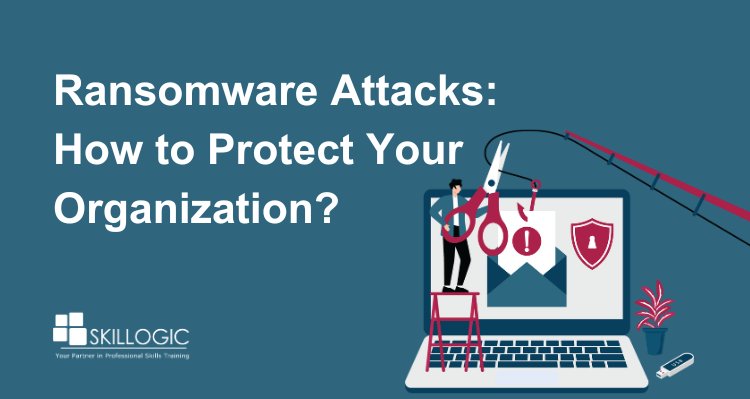
Ransomware attacks are a serious cybersecurity threat that can disrupt business operations, compromise sensitive information, and cause significant financial losses. These attacks occur when cybercriminals gain unauthorized access to an organization’s systems and encrypt files or steal sensitive data, then demand payment in exchange for restoring access or preventing the data from being exposed. Organizations of all sizes, including small businesses, healthcare providers, financial institutions, and critical infrastructure, can become targets.
The growing use of cloud services, remote access, connected devices, and digital business systems has created more opportunities for attackers to exploit security weaknesses. Ransomware incidents can result in prolonged downtime, data recovery expenses, regulatory consequences, and loss of customer trust. Strong security controls, regular backups, timely software updates, employee awareness, multi-factor authentication, network monitoring, and a well-tested incident response plan can help organizations reduce both the likelihood and impact of a ransomware attack.
Here we will discuss what ransomware is, why ransomware attacks are increasing, their potential impact on organizations, and the practical security measures businesses can use to prevent, detect, and respond to ransomware threats.
What is Ransomware?
Ransomware is a type of malicious software (malware) that locks or encrypts your files or computer system, making them inaccessible. The attackers then demand a ransom, usually money, in exchange for restoring access to your data. If the ransom isn't paid, the files may remain locked or be lost forever.
The FBI’s 2025 Internet Crime Report further illustrates the scale of the threat. IC3 received more than 3,600 ransomware complaints in 2025, with reported losses exceeding $32 million, and identified 63 new ransomware variants.
There are several types of ransomware, including:
- Crypto Ransomware: Encrypts files and demands payment for decryption.
- Locker Ransomware: Locks users out of their systems entirely.
- Scareware: Tricks users into believing their system has been compromised to extort money.
- Doxware: Intends to disclose sensitive information unless a ransom is paid.
Understanding how ransomware operates is essential for organizations to develop effective prevention strategies.
Refer these articles:
- The Role of Encryption in Cyber Security
- Ethical Hacking vs Cyber Security: What’s the Difference?
- Cyber Security for Small Businesses: How to Stay Safe?
Why is Ransomware a Growing Threat?
Ransomware continues to be a major cybersecurity threat because attackers are becoming more organized, adaptable, and financially motivated. Modern ransomware campaigns are no longer limited to encrypting files and demanding payment. Attackers may first steal sensitive information and then threaten to publish it, creating additional pressure on victims. Ransomware groups also increasingly use stolen credentials, exploited vulnerabilities, phishing, and third-party access to gain entry into organizational networks.
Several factors are contributing to the continued growth and impact of ransomware:
- Lucrative Financial Gain: Ransomware remains attractive to cybercriminals because a successful attack can generate significant financial returns. Attackers may demand payment for decrypting systems, preventing stolen data from being published, or both. The use of cryptocurrency can also make it easier for criminal groups to receive and transfer ransom payments.
- Exploited Software and Security Vulnerabilities: Unpatched operating systems, applications, VPNs, internet-facing servers, and other network devices can provide attackers with an entry point. Organizations that delay security updates or do not maintain effective vulnerability management programs may leave weaknesses exposed for attackers to exploit.
- Stolen Credentials and Phishing: Attackers increasingly use compromised usernames, passwords, and other authentication information to gain access to business systems. Phishing emails, malicious links, social engineering, and credential theft can help attackers bypass security controls and move deeper into an organization.
- Ransomware-as-a-Service (RaaS): RaaS has lowered the technical barrier for cybercriminals. Instead of developing ransomware infrastructure themselves, affiliates can use tools and services provided by established criminal groups and share the resulting profits. This business-like model can increase the number and variety of ransomware campaigns.
- Double Extortion and Data Theft: Modern ransomware operations often combine data theft with encryption. Before disrupting systems, attackers may copy sensitive business, customer, or employee information. They can then threaten to release the stolen data publicly if the organization refuses to pay. This increases the potential financial, legal, operational, and reputational consequences of an attack.
- Third-Party and Supply Chain Risks: Organizations often depend on vendors, managed service providers, cloud platforms, and other external partners. If an attacker compromises a third party that has access to an organization's systems or data, that access can potentially be used as a path into the target organization.
- Faster and More Targeted Attacks: Ransomware groups increasingly combine multiple techniques during an intrusion, including credential abuse, vulnerability exploitation, lateral movement, data theft, and system disruption. This makes early detection and rapid incident response increasingly important.
These factors collectively contribute to the increasing threat of ransomware in the field of cyber security, highlighting the necessity for organizations to remain vigilant and proactive in their defensive strategies. Enrolling in a cyber security course can equip professionals with the skills and knowledge needed to combat these threats effectively.
Refer these articles:
- Cyber Security Course Fee in India
- Cyber Security Scope in India
- How to Become a Cyber Security Expert in India
The Consequences of a Ransomware Attack
The consequences of a ransomware attack can be far-reaching and severe. Organizations that fall victim to these attacks can experience significant operational, financial, and reputational damage.
Operational Disruption
When a ransomware attack occurs, operations are often brought to a standstill. Critical systems may be locked or compromised, preventing employees from accessing essential data. This disruption can lead to delayed services and projects, causing frustration for both employees and customers.
Financial Costs
The financial implications of ransomware attacks can be staggering. In addition to the ransom payment, organizations may face costs related to:
- Business Interruption: Loss of revenue during downtime.
- Recovery Expenses: Costs for forensic investigations, system restorations, and security upgrades.
- Legal Liabilities: Potential fines and legal fees if customer data is compromised.
Moreover, paying the ransom does not guarantee that the data will be restored or that the organization won't be targeted again.
Reputational Damage
The reputational impact of a ransomware attack can be long-lasting. Customers may lose trust in an organization that fails to protect their data, leading to lost business and decreased customer loyalty.
In conclusion, the consequences of ransomware attacks extend beyond immediate financial costs, affecting the overall health and stability of an organization.
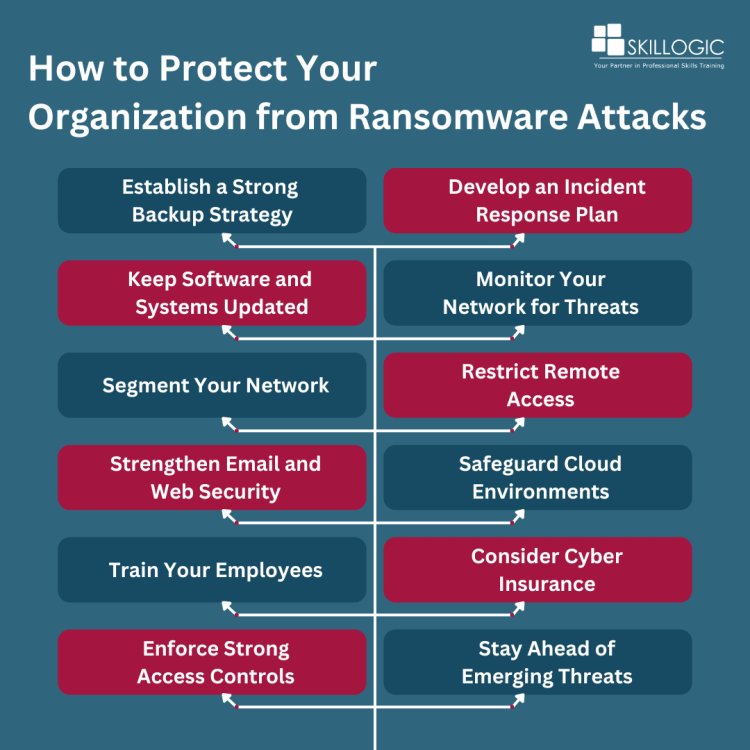
How to Protect Your Organization from Ransomware Attacks
Ransomware attacks are becoming more advanced and frequent, making it critical for organizations to adopt a proactive approach to security. Here’s a detailed guide to help safeguard your organization from ransomware threats:
1. Establish a Strong Backup Strategy
- Offline and Encrypted Backups: Keep critical data backups offline or isolated from the main network and encrypt them to prevent unauthorized access.
- Immutable Backups: Use immutable storage to prevent attackers from modifying or deleting backup data.
- Test Backups: Regularly test backup restoration to ensure data can be recovered when needed.
- Protect Backup Access: Use separate credentials, MFA, and least-privilege access for backup systems.
- Enable Deletion Protection: Use retention policies and deletion protection to prevent unauthorized deletion of backups.
2. Keep Software and Systems Updated
- Patch Vulnerabilities: Regularly apply updates and patches to your operating systems, software, and firmware. This reduces exposure to vulnerabilities that ransomware can exploit.
- Update Security Tools: Ensure that antivirus and anti-malware solutions, along with other cyber security tools, are up-to-date and provide real-time protection against threats.
3. Segment Your Network
- Separate Critical Systems: Isolate key business systems from less secure areas of your network to limit the spread of ransomware in the event of an attack.
- Control Access: Enforce the principle of least privilege, ensuring users only have access to the systems and data required for their roles.
4. Strengthen Email and Web Security
- Email Filtering: Implement email filtering systems to block suspicious attachments and links, as phishing is a common method for launching ransomware attacks.
- Block Malicious Sites: Use web filtering solutions to prevent access to known malicious websites that may deliver ransomware through infected downloads or ads.
5. Train Your Employees
- Ongoing Security Training: Conduct regular security awareness sessions to educate employees about recognizing phishing attempts, suspicious links, and other warning signs.
- Simulated Attacks: Test employee readiness with phishing simulations to enhance awareness and responsiveness.
6. Enforce Strong Access Controls
- Multi-Factor Authentication (MFA): Use MFA for accessing sensitive systems to add an extra layer of security beyond passwords.
- Encourage Strong Passwords: Promote the use of complex, unique passwords and enforce policies that require regular updates.
7. Develop an Incident Response Plan
- Create a Response Strategy: Develop and document an incident response plan detailing how to respond to ransomware attacks, including isolating compromised systems, contacting authorities, and restoring from backups.
- Assign Key Roles: Define clear roles for your incident response team and conduct regular practice drills to ensure readiness.
8. Monitor Your Network for Threats
- Intrusion Detection Systems (IDS): Implement IDS/IPS solutions to monitor network traffic and detect signs of ransomware or other malicious activities.
- Monitor for Anomalies: Utilize advanced threat detection tools to identify unusual behaviors, such as rapid data encryption, that may signal a ransomware attack and other cyber threats.
9. Restrict Remote Access
- Secure Remote Connections: Use strong encryption for VPNs to secure remote access and limit the use of Remote Desktop Protocol (RDP) to essential users only.
- Strong Authentication: Enforce multi-factor authentication for remote logins and disable unused accounts to reduce attack surface.
10. Safeguard Cloud Environments
- Monitor Cloud Access: Continuously monitor cloud services for unauthorized access or suspicious activity.
- Encrypt Cloud Data: Use encryption for sensitive data stored in the cloud, as well as for data transferred between systems.
11. Consider Cyber Insurance
- Cyber Insurance: Evaluate the benefits of cyber liability insurance to cover financial losses from ransomware, including ransom payments and costs related to data recovery.
12. Stay Ahead of Emerging Threats
- Subscribe to Threat Intelligence: Stay informed by subscribing to security reports and feeds that track the latest ransomware tactics and variants.
- Collaborate with Peers: Join industry-specific security communities to share insights and stay updated on new attack methods and defense strategies.
13. Secure Third-Party and Supply Chain Access
Third-party vendors and service providers can introduce security risks if they have access to an organization’s systems or sensitive data.
- Review Vendor Security: Assess the cybersecurity practices of vendors, cloud providers, and managed service providers before granting access.
- Limit Access: Apply least-privilege access and provide third parties only the permissions they need.
- Use MFA: Require multi-factor authentication for vendor and third-party accounts.
- Monitor Access: Regularly monitor third-party accounts and review or remove unnecessary access.
These measures can reduce the risk of attackers using compromised vendors or service providers as an entry point into the organization.
By adopting these layered security practices, your organization can significantly mitigate both the likelihood and impact of ransomware attacks. In the evolving future of cyber security, vigilance, education, and a robust security posture will be essential to staying protected against today’s threats.
Refer these articles:
- Cyber security Scope in Chennai
- Cyber Security Expert in Hyderabad
- Cyber Security Course Fees in Bangalore
10 Best Ransomware Prevention Practices
To safeguard against ransomware, organizations should adopt best practices that form a robust defense strategy. Below are ten effective prevention practices:
1. Prioritize Vulnerability and Patch Management:
- Keep all software and operating systems up to date to close security gaps.
- Enable automatic updates wherever possible.
- Prioritize vulnerabilities that are actively being exploited, especially those affecting internet-facing systems, VPNs, servers, and critical applications.
2. Implement Network Segmentation:
- Divide the network into segments to limit the spread of ransomware.
- Control access to critical systems and data.
3. Utilize Email Filtering:
- Implement email filtering solutions to prevent malicious attachments and links.
- Train employees to recognize suspicious emails.
4. Enforce Multi-Factor Authentication and Least Privilege:
- Enable MFA for email, VPNs, cloud services, administrator accounts, and critical systems.
- Limit user permissions according to job responsibilities.
- Regularly review and remove unnecessary or inactive accounts.
5. Monitor Network and Endpoint Activity:
- Use security information and event management (SIEM) tools to monitor network activity.
- Identify any atypical patterns that could suggest an attack.
- Use SIEM, EDR, and network monitoring tools to detect unusual authentication, lateral movement, privilege escalation, large data transfers, and suspicious file activity.
6. Test Incident Response Plans:
- Develop and regularly test incident response plans to ensure quick action during an attack.
- Include scenarios involving ransomware attacks.
7. Limit Remote Access:
- Restrict remote access to sensitive systems.
- Use virtual private networks (VPNs) to ensure secure connections.
- Disable unnecessary remote services and regularly review internet-facing systems for exposed or unused services.
8. Conduct Employee Training Programs:
- Provide ongoing Cyber Security training for all employees.
- Include phishing simulation exercises to enhance awareness.
9. Maintain an Incident Response Team:
- Establish a dedicated team to manage and respond to Cyber Security incidents.
- Ensure team members are trained and ready to act.
10. Manage Third-Party and Cloud Security Risks:
Review the security practices of vendors, managed service providers, and cloud platforms that have access to organizational systems or data. Restrict third-party access and monitor external connections to reduce supply-chain risks.
Invest in Cyber Security Courses:
Enroll employees in a Top Cyber Security training to enhance their knowledge and skills. Encourage participation in Cyber Security training programs to stay current on threats.
By implementing these best practices, organizations can create a multi-layered defense against ransomware attacks.
Ransomware attacks pose a serious threat to organizations worldwide. By understanding the nature of these attacks and implementing effective Cyber Security measures, organizations can greatly reduce risks and safeguard their valuable data. Investing in Cyber Security training programs is crucial for building a strong defense and staying resilient against evolving cyber threats.
At SKILLOGIC Institute, we recognize the growing significance of Cyber Security in the modern digital environment. Our Cyber Security Professional Plus Course is designed to equip learners with the skills needed to address security challenges across various industries. This program is accredited by top organizations like IIFIS and NASSCOM FutureSkills, offering extensive training that includes hands-on projects and specialized practice labs.This hands-on approach ensures that participants not only gain practical experience but also acquire a deep understanding of how to protect systems from potential threats.
With more than 100,000 empowered learners, SKILLOGIC is dedicated to enhancing careers in Cyber Security by providing top-notch education and practical experience.Our focus on real-world applications and industry-recognized certifications makes us the ideal choice for professionals aiming to excel in the dynamic field of Cyber Security. Join us to enhance your skills and play a key role in safeguarding the future of technology.