Blockchain Technology and Its Impact on Cybersecurity
Blockchain Technology and Its Impact on Cybersecurity: Explore how blockchain enhances data security, prevents cyber threats, and strengthens digital protection.
 Nashid Hussain CN
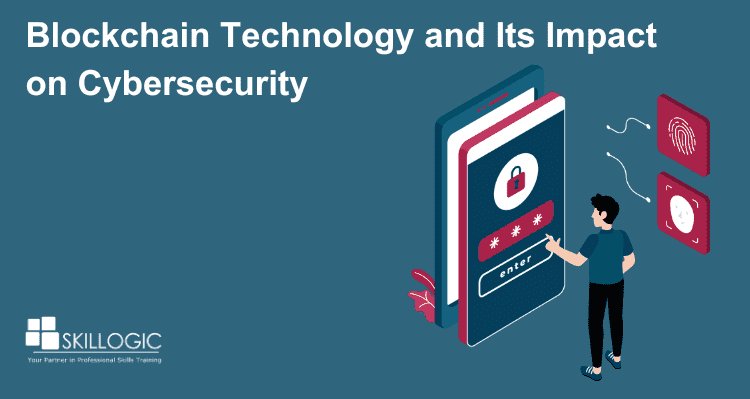
Cybersecurity has become a major priority as organizations manage growing volumes of sensitive data, online transactions, and connected systems. Blockchain technology offers a different approach to protecting digital information by using distributed networks, cryptographic techniques, consensus mechanisms, and tamper-evident records.
While blockchain is not a complete replacement for traditional cybersecurity controls, these features can help address specific security challenges such as data integrity, identity management, transaction verification, and auditability. This article explores how blockchain works, where it can strengthen cybersecurity, its practical applications, and the challenges organizations should consider before adopting it.
Here, we will discuss how blockchain technology works, its role in strengthening cybersecurity, its practical benefits, key challenges, and the limitations organizations should consider before adopting blockchain-based security solutions.
Understanding Blockchain Technology
History and Evolution
Blockchain technology, became widely known in 2008 when Satoshi Nakamoto proposed it as the foundation for Bitcoin, enabling digital transactions without a central authority. Since then, blockchain has evolved beyond cryptocurrency into a technology for maintaining shared and verifiable records. Ethereum, launched in 2015, expanded its capabilities through smart contracts, while later developments have focused on improving scalability, interoperability, privacy, energy efficiency, and transaction performance for broader business and cybersecurity applications.
How Blockchain Works
In its core, blockchain is a decentralized record-keeping system that operates across a network of computers (nodes). Each block contains a list of transactions, cryptographically linked to the previous block, forming a chain. Consensus mechanisms like Proof of Work (PoW) or Proof of Stake (PoS) validate transactions, ensuring consensus without the need for a central authority.
Decentralization in blockchain strengthens security by removing singular vulnerabilities and lowering the chances of tampering or malicious attacks.
Key Security Features of Blockchain
Several features of blockchain can support cybersecurity when they are appropriately designed and implemented. Its distributed architecture can reduce dependence on a single database, while cryptographic techniques help protect the integrity of recorded information. Blockchain can also create a traceable record of transactions, which may support auditing, monitoring, and forensic investigations.
However, blockchain should not be viewed as a complete cybersecurity solution. The security of a blockchain-based system also depends on factors such as network design, access controls, wallet or key management, smart-contract security, and the accuracy of information entered into the blockchain.
Refer these articles:
- The Role of Artificial Intelligence in Enhancing Cybersecurity
- Cyber Security Tips and Best Practices
- What is Phishing? Types of Phishing Attacks
Current Cybersecurity Challenges
Cybersecurity today faces a myriad of complex challenges that span technical, organizational, and societal dimensions. Cybersecurity faces several significant challenges in the current landscape:
Common Cybersecurity Threats
- Data Breaches: Unauthorized access to sensitive data, whether through hacking, insider threats, or inadvertent exposure due to poor security practices.
- Phishing Attacks: Deceptive emails, messages, or websites used to trick users into revealing confidential information such as passwords or financial details.
- Ransomware: A type of malicious software that encrypts data and renders it inaccessible until a ransom is paid, often exploiting weaknesses in computer systems.
- Man-in-the-Middle Attacks (MitM): Intercepting communication between two parties to steal or alter transmitted data, posing a serious threat in unsecured networks.
- DDoS Attacks: Distributed Denial of Service attacks overwhelm systems with traffic, causing service disruptions or making them unavailable to legitimate users.
- Insider Threats: Malicious or unintentional actions by employees, contractors, or partners that compromise organizational security.
- Zero-Day Exploits: Attacks targeting previously unknown vulnerabilities in software or systems before developers can create patches or fixes.
- AI-Powered Cyberattacks: Attackers increasingly use artificial intelligence to create more convincing phishing messages, automate reconnaissance, generate malicious content, and adapt attacks more quickly.
- Supply Chain Attacks: Attackers compromise software vendors, third-party services, open-source dependencies, or other trusted suppliers to gain access to multiple organizations through a single weakness.
- Credential Attacks and Account Takeover: Stolen passwords, session tokens, and other credentials can be used to access business systems, cloud platforms, email accounts, and sensitive applications.
- Cloud Security Threats: Misconfigured cloud storage, exposed APIs, weak identity controls, and compromised cloud credentials can expose sensitive data and services.
- Deepfake and Social Engineering Attacks: Attackers can use AI-generated audio, video, or images to impersonate executives, employees, or trusted individuals and manipulate victims into transferring money or sharing confidential information.
Vulnerabilities in Traditional Systems
- Centralized Data Storage: Concentrating data in one location increases the attractiveness of targets for attackers aiming to steal or manipulate information.
- Single Points of Failure: Relying on centralized servers or systems means that a single breach or failure can lead to widespread service disruptions or data loss.
- Lack of Transparency: Limited visibility into data handling processes and transactions can obscure security risks and compliance issues, complicating risk management efforts.
- Legacy Systems: Older technology may lack modern security features, making them more susceptible to exploitation by cyber attackers.
Addressing these challenges requires a proactive approach, combining robust cybersecurity measures, employee education, and continuous monitoring to detect and mitigate threats effectively.
Blockchain's Role in Enhancing Cybersecurity
According to Grand View Research, the global blockchain security market was valued at USD 6.4 billion in 2025 and is projected to reach USD 31.3 billion by 2033, growing at a CAGR of 22.4% from 2026 to 2033. The growth reflects increasing demand for security solutions covering decentralized networks, smart contracts, digital assets, and blockchain infrastructure.
Blockchain technology indeed plays a significant role in enhancing cybersecurity through several key mechanisms:
- Tamper-Resistant Records: Blockchain makes recorded information difficult to alter without detection, which can support data integrity, accountability, and auditability.
- Enhanced Transparency: Transaction histories are visible to all participants, promoting accountability and reducing the potential for fraud.
- Decentralized Storage: Data is distributed among a network of nodes instead of being stored on a single server, which decreases the vulnerability of a single failure point and strengthens defense against attacks.
- Distributed Consensus: Consensus mechanisms require agreement among multiple nodes before transactions are validated, making it harder for malicious actors to manipulate the system.
- Security through Cryptography: Blockchain uses advanced cryptographic techniques to secure transactions and data, ensuring confidentiality and authenticity.
- Smart Contracts: Automated, self-executing contracts reduce the need for intermediaries and potential vulnerabilities associated with human error or manipulation.
- Identity Protection: Blockchain can provide a secure, decentralized system for managing digital identities, reducing risks associated with identity theft and fraud.
- Auditable and Traceable: Auditing and tracking transactions on blockchain are easier due to its transparent and immutable nature, aiding in forensic investigations and compliance efforts.
- Resilience Against DDoS Attacks: Decentralization and distribution make blockchain networks less susceptible to Distributed Denial of Service (DDoS) attacks that often target centralized systems.
- Future Potential: Ongoing developments in blockchain technology promise even more robust cybersecurity solutions, leveraging innovations such as zero-knowledge proofs and quantum-resistant cryptography.
Blockchain technology enhances cybersecurity by ensuring data integrity, promoting transparency and accountability, decentralizing storage to reduce vulnerability to attacks, employing robust cryptographic techniques, and facilitating automated, secure transactions through smart contracts. These features collectively strengthen cybersecurity measures across various sectors and applications.
Read these articles:
- How to Become a Cyber Security Expert?
- What is Cyber Security Professional Plus?
- Cybersecurity Career Scope in 2026
Challenges and Limitations
Blockchain technology offers some promising benefits for cybersecurity, but it also comes with its own set of challenges and limitations. Let's break them down in a clear, understandable way:
Challenges of Blockchain in Cybersecurity
- Scalability: Blockchain networks often face challenges with scalability when they need to manage high volumes of transactions. This can lead to delays and increased costs, especially in public blockchains where multiple parties are involved in validation.
- Performance: The decentralized nature of blockchain can impact performance. Transactions need to be verified by multiple nodes, which can slow down processing speeds compared to centralized systems.
- Complexity: Mastering and applying blockchain technology necessitates specific expertise. Smart contracts, consensus mechanisms, and cryptographic protocols can be complex to develop and secure.
- Interoperability: Integrating blockchain with existing systems and protocols can be challenging. Ensuring compatibility and seamless communication between blockchain networks and traditional databases is not straightforward.
- Regulatory Concerns: Regulatory frameworks around blockchain technology are still evolving. Compliance with data protection laws, financial regulations, and international standards poses challenges for widespread adoption.
Limitations of Blockchain in Cybersecurity
- Immutable Data: While immutability is a key feature of blockchain (making it resistant to tampering), it can be a double-edged sword. Once data is recorded on the blockchain, it cannot be easily altered or deleted, even in cases of errors or fraudulent transactions.
- Privacy Concerns: Blockchain transactions are often transparent and visible to all participants, which can raise privacy concerns, especially for sensitive data. While techniques like zero-knowledge proofs exist to enhance privacy, implementing them effectively can be complex.
- Security of Smart Contracts: Smart contracts are self-executing agreements with predefined rules. Vulnerabilities in smart contract code can lead to exploits and security breaches, as seen in several high-profile incidents in the past.
- 51% Attack Risk: In proof-of-work blockchains, a single entity controlling more than 50% of the network's computing power could potentially manipulate transactions or disrupt the network's operation—a scenario known as a 51% attack.
- Lack of Governance: Decentralized governance models can make decision-making and consensus-building challenging. Disputes over protocol changes or upgrades can lead to forks and fragmentation within blockchain communities.
Blockchain technology is reshaping cybersecurity landscapes by offering decentralized, transparent, and secure solutions to combat evolving cyber threats. While challenges such as scalability and regulatory concerns persist, the potential benefits of blockchain in enhancing data security and privacy are undeniable. Integrating blockchain with traditional cybersecurity methods can strengthen defenses and lay the groundwork for more secure digital environments.
By understanding and integrating blockchain technology into existing cybersecurity frameworks, organizations can proactively mitigate risks and safeguard sensitive information in today's digital age.
SKILLOGIC Institute offers comprehensive Cyber Security Certification Courses that are accredited by IIFIS and NASSCOM FutureSkills. These programs span four months and provide 160 learning hours, focusing on essential cybersecurity skills. The curriculum prioritizes hands-on experience, including internships and placement opportunities, ensuring participants gain both theoretical knowledge and industry-ready skills.
Beyond cybersecurity, SKILLOGIC Institute is well-regarded for its extensive certification courses in PMP, PRINCE2, Six Sigma, Agile, and Business Analytics. With a global presence, the institute delivers industry-relevant training through experienced instructors. Flexible learning options, including classroom and online sessions, cater to diverse learning preferences and schedules.