Role of Cyber Security in Delhi's Banking and Finance Sector
Explore the role of cyber security in Delhi’s banking and finance sector, including how it protects digital transactions, prevents online fraud, secures customer data, and strengthens financial institutions against cyber threats.
 Nashid Hussain CN
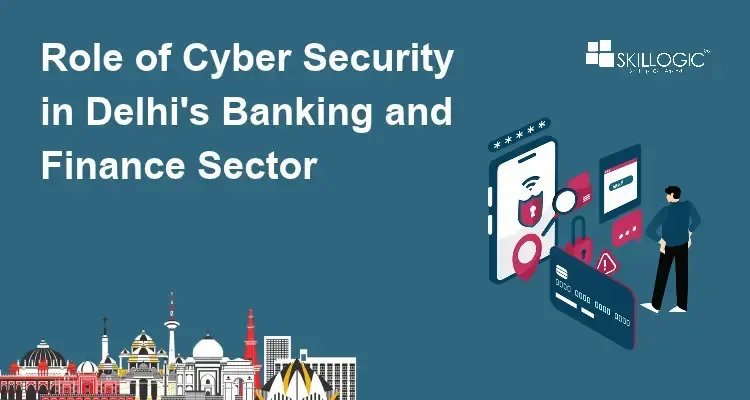
Delhi is an important commercial and financial centre, with banks, NBFCs, fintech companies, and businesses from various industries relying on digital financial services. As online banking, UPI transactions, and electronic payments become more common, securing financial information is increasingly important. Financial institutions need reliable security measures to protect customer records and prevent cybercrime.
Cyber security helps banks and financial businesses in Delhi safeguard accounts, secure online transactions, and reduce the risk of financial fraud. Effective security practices also help organizations protect confidential information, maintain service availability, and strengthen customer confidence.
Here, we will explore the role of cyber security in Delhi's banking and finance sector, the common threats affecting financial businesses, and the best practices organizations can use to protect their digital operations.
Role of Cyber Security in Banks and Financial Businesses in Delhi
Cyber security plays an important role in protecting the digital infrastructure, financial records, and daily operations of banks and financial companies. It involves more than blocking unauthorized access. Organizations must also identify suspicious activities, assess potential vulnerabilities, and ensure that customers can access essential financial services securely.
One major priority is cyber security in banking sector Delhi institutions require to protect account information, login credentials, transaction histories, and other sensitive records. Technologies such as encryption, multi-factor authentication, and role-based access controls help reduce the chances of unauthorized access.
Similarly, cyber security in the finance sector is essential for Delhi businesses to protect payment gateways, financial applications, lending platforms, and digital transaction systems. Effective security controls can help detect unusual payment activity, prevent unauthorized modifications, and minimize the impact of compromised accounts.
Cyber security is also important for Delhi-based businesses that depend on digital payments for their everyday activities. For instance, a wholesale supplier may transfer payments to distributors through online banking, while a retail store may receive customer payments through UPI. Securing these financial activities helps prevent fraud and avoid unnecessary business interruptions.
Other important benefits include:
- Customer data protection: Safeguarding personal information, banking credentials, and transaction histories from unauthorized access.
- Fraud prevention: Identifying suspicious transactions, phishing attempts, and fraudulent payment requests.
- Business continuity: Limiting operational disruptions caused by malware, ransomware, and other cyber incidents.
- Customer trust: Giving customers greater confidence when using online banking and digital payment services.
- Regulatory compliance: Helping financial institutions implement relevant banking security requirements and data protection practices.
By implementing suitable security measures, banks and financial businesses can protect their digital assets, improve operational resilience, and deliver more secure financial services throughout Delhi.
Refer to these articles:
- Cyber Security Across Different Industries: Why Every Sector Needs Protection
- How to Become a Network Security Engineer as a Fresher
- Day-to-Day Responsibilities of a Cyber Security Professional: What to Expect
Common Cyber Security Threats Facing Banks and Financial Businesses in Delhi
Banks and financial organizations face several cyber threats that can compromise customer information, disrupt payment services, and cause financial losses. Recognizing these risks allows businesses to identify security gaps and develop appropriate prevention strategies.
According to a report published by The Indian Express in August 2026, Delhi recorded 4,003 cyber financial fraud cases in the last year, with reported losses amounting to ₹849.80 crore. Authorities recovered ₹112.76 crore of the reported losses. These figures highlight the financial impact of cybercrime in the capital and the importance of improving security across digital financial services. However, the figures cover reported cyber financial fraud cases overall, not exclusively incidents involving banks.
This data underlines the importance of protecting digital transactions and customer information. Some of the major cyber security threats affecting banks and financial businesses include the following.
1. Phishing and Social Engineering
Cybercriminals frequently impersonate bank representatives, send fraudulent emails, or circulate fake SMS alerts to obtain passwords, OTPs, and account credentials. Employees and customers should verify unexpected requests and avoid opening suspicious links or sharing confidential information.
2. UPI and Online Payment Fraud
Fraudsters may use fake payment confirmations, misleading QR codes, fraudulent collect requests, and impersonation techniques to trick people into transferring money. Businesses should verify incoming payments through their official banking applications and educate employees about common payment scams.
3. Ransomware and Malware Attacks
Malicious software can steal financial information, compromise business systems, or prevent employees from accessing essential files. Ransomware may also disrupt payment processing and daily operations. Timely software updates, endpoint protection, and secure backups can help reduce the impact of these attacks.
4. Data Breaches and Account Takeover
Stolen credentials, weak passwords, and compromised devices can allow attackers to access financial accounts and confidential customer records. Banks and finance companies can reduce these risks through stronger authentication, access restrictions, and continuous monitoring of unusual login activity.
5. Attacks on Financial Applications and Networks
Security weaknesses in banking websites, mobile applications, APIs, cloud environments, and payment infrastructure may provide attackers with opportunities to access sensitive information. Regular vulnerability assessments, penetration testing, and security updates help organizations identify and address these weaknesses.
Therefore, cyber security in banking sector Delhi institutions should implement secure technology, effective access management, and employee awareness. Likewise, cyber security in finance sector Delhi companies adopt should include payment monitoring, application security, vulnerability management, and a clear incident response plan.
Cyber Security Best Practices for Banks and Financial Businesses in Delhi
Banks and financial businesses need a consistent security strategy to protect customer information, financial transactions, and critical business systems. Following established security practices can reduce exposure to cyber threats and help organizations respond effectively when incidents occur.
Here are some important measures financial businesses should consider.
- Multi-Factor Authentication and Data Encryption: Require additional verification for sensitive accounts and encrypt confidential information to reduce the risk of unauthorized access.
- AI-Powered Fraud Detection: Use suitable AI-based tools to identify unusual transaction patterns, suspicious account activity, and potential financial fraud.
- Regular Security Audits: Assess networks, applications, and internal systems regularly to identify vulnerabilities and correct security gaps.
- Network Security and Monitoring: Deploy firewalls, intrusion detection systems, and continuous monitoring to identify suspicious connections and unauthorized activity.
- Employee Cyber Security Training: Train staff to recognize phishing emails, impersonation attempts, fraudulent payment requests, and other social engineering techniques.
- RBI Compliance and Incident Reporting: Follow applicable RBI security requirements and maintain documented procedures for reporting and responding to cyber incidents.
For organizations improving cyber security in Delhi, these measures offer a practical foundation for managing digital risks. The specific controls required will vary depending on the business model, technology infrastructure, the sensitivity of the information handled, and applicable regulatory obligations. Regular security reviews can help financial organizations adapt to emerging threats.
Explore these articles:
- How to Become a Cyber Security Expert in Delhi?
- How to Choose the Best Cyber Security Institute in Delhi
- The Future of Cyber Security in Delhi: Trends and Opportunities
In conclusion, cyber security is essential for protecting customer information, preventing financial fraud, and maintaining secure digital transactions across Delhi's banking and finance sector. As financial services continue to become more technology-driven, organizations need to strengthen their security controls, assess vulnerabilities, and prepare employees to recognize cyber threats. These steps can help reduce financial risks, maintain customer confidence, and support reliable digital financial services.
For individuals interested in entering this expanding field, a professional cyber security course in Delhi can help develop practical knowledge of threat detection, network protection, ethical hacking, and incident response. Hands-on exercises and industry-relevant certifications can help learners build the skills required for entry-level and advanced cyber security roles.
SKILLOGIC offers the Cyber Security Professional Plus Course, which provides practical learning in ethical hacking, penetration testing, SOC operations, network security, and related areas. The program combines hands-on laboratory exercises, real-world projects, and industry-oriented training to help learners strengthen their technical capabilities.
Through SKILLOGIC cyber security classes in Delhi, learners can develop practical cyber security skills and work towards certifications from NASSCOM FutureSkills, IIFIS, and SKILLOGIC course completion certification. SKILLOGIC provides training opportunities across major Indian cities, including Delhi, Bengaluru, Chennai, Hyderabad, Pune, Mumbai, Nagpur, Ahmedabad, and Kolkata, helping aspiring professionals prepare for career opportunities in the cyber security industry.