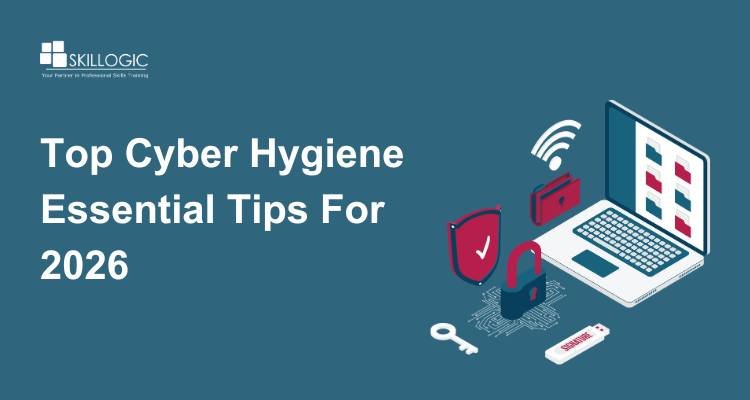
Top Cyber Hygiene Essential Tips For 2026
Stay protected with the top cyber hygiene essential tips for 2026. Learn simple security practices to prevent cyber threats, protect your data, and improve online safety. Read the complete guide now!
 Aiswarya N
As our lives become increasingly digital, practicing strong cyber hygiene is just as vital as maintaining physical well-being. With cyber threats growing more advanced in 2026, both individuals and businesses must adopt smarter, more proactive cyber hygiene practices. Staying digitally secure is no longer optional, it's essential for safeguarding personal data, financial assets, and organizational trust.
Here, we’ll walk through what cyber hygiene means, why it matters more than ever, and share practical cyber hygiene tips to help you stay ahead of emerging threats in 2026.
What Is Cyber Hygiene
Cyber hygiene refers to the routine steps and best practices that users follow to ensure the health and security of their digital systems and data. Much like washing your hands to prevent illness, cyber hygiene practices help reduce the risk of cyber attacks, data breaches, and unauthorized access.
These include updating software regularly, using strong passwords, enabling multi-factor authentication, and performing regular security audits, all of which are core to any cyber hygiene checklist.
Refer these articles:
- Top 10 Tips for Identity Theft Protection
- Cyber Security Challenges in E-commerce Platforms
- Understanding Quantum Computing in Cyber Security
Why Is Cyber Hygiene Important
Cyber hygiene has become essential as cybercriminals continue to use artificial intelligence, automation, and advanced social engineering techniques to launch more sophisticated attacks. According to the IBM Cost of a Data Breach Report, the global average cost of a data breach is $4.44 million. The report also highlights that phishing remains one of the most common initial attack methods, with AI-generated phishing making these attacks more convincing and difficult to detect.
Without following proper cyber security best practices, individuals and organizations become more vulnerable to ransomware, malware, phishing, identity theft, and data breaches. Even a simple mistake, such as using weak passwords or ignoring software updates, can result in significant financial losses and operational disruption.
Implementing strong cyber hygiene practices helps:
- Protect sensitive personal and business data
- Reduce the attack surface for cybercriminals
- Prevent malware, ransomware, and phishing attacks
- Improve system performance and reliability
- Build trust with customers, employees, and business partners
- Strengthen overall cyber resilience against evolving threats
Essential Cyber Hygiene Tips for 2026
As cyber threats grow in volume and complexity, your defense must become smarter and more proactive. Here are key cyber hygiene tips that everyone should adopt in 2026:
1. Keep Software and Systems Updated
Outdated applications and operating systems are prime targets for attackers. Set up automatic updates wherever possible. Regular updates fix known vulnerabilities and protect against emerging threats.
2. Use Strong and Unique Passwords
Avoid reusing passwords across platforms. Use a password manager to create and store complex passwords securely. This reduces the risk of credential stuffing and brute-force attacks.
3. Enable Multi-Factor Authentication
Add an extra layer of protection by requiring additional verification like a code or biometric beyond just a password. Even if a password is compromised, MFA adds a barrier against unauthorized access.
4. Regularly Back Up Important Data
Follow the 3-2-1 backup rule: 3 copies of data, on 2 different media, with 1 off-site backup. Backups ensure data recovery in case of ransomware, hardware failure, or human error.
5. Be Cautious with Links and Attachments
Phishing remains a top threat. Verify senders and avoid clicking on unsolicited links or opening suspicious attachments. A single wrong click can compromise your entire system.
6. Install and Maintain Trusted Security Software
Antivirus and anti-malware tools should be up-to-date and active. These tools form the first line of defense against known threats. Use reputable vendors and schedule routine scans to stay protected.
7. Conduct Routine Security Audits
Whether you're managing personal devices or enterprise networks, audits help uncover vulnerabilities and improve cyber hygiene. They provide visibility into weaknesses before attackers can exploit them.
8. Limit Access and Practice Least Privilege
Only grant users access to the data and systems they need to perform their roles. This minimizes risk exposure. The fewer the privileges, the smaller the attack surface.
9. Educate Yourself and Your Team
Cyber hygiene is not a one-time task. Continuous training is key to improving awareness and responsiveness. Human error is one of the leading causes of cyber incidents, education mitigates that risk.
10. Review Your Cyber Hygiene Checklist Regularly
Update your practices periodically to align with new technologies, regulations, and threat trends. A proactive approach helps you stay ahead of evolving cyber threats.
Refer these articles:
- How to Become a Cyber Security Expert in Pune
- Top Tips for Selecting the Best Cyber Security Institute in Pune
- How to choose best institute for cyber security in coimbatore
- How to Succeed in a Cybersecurity Career in Coimbatore: Skills, Salaries, and Insights
In short, practicing good cyber hygiene is no longer optional, it’s essential. As we step into 2026, cyber threats are becoming more unpredictable and damaging, making it vital for everyone to adopt strong, proactive cyber hygiene practices. From basic password security to full-system audits, small daily actions can significantly boost your digital safety.
By following the tips outlined here, you’ll not only understand the importance of cyber hygiene but also learn how to improve cyber hygiene in ways that protect your data, your identity, and your future online interactions.
If you're planning to build or grow your career in cyber security, the location and quality of your training are crucial factors. While metros like Bangalore, Pune, Chennai, and Hyderabad have long been top choices, Coimbatore is now rapidly emerging as a key destination for cyber security education in India. With its expanding IT infrastructure, renowned engineering institutions, and growing number of tech companies and startups, Coimbatore offers a vibrant ecosystem for tech talent.
Enrolling in a cyber security course in Coimbatore offers the advantage of hands-on learning through classroom-based, instructor-led training paired with real-time lab environments. These practical experiences are essential in helping learners transition from academic concepts to handling real-world cyber threats effectively.
SKILLOGIC’s Cyber Security Professional Plus Program in Coimbatore is designed to align with the latest industry demands. The course covers core areas such as ethical hacking, penetration testing, network security, digital forensics, and threat intelligence. With endorsements from NASSCOM FutureSkills and IIFIS, the program ensures learners are equipped with both global certifications and job-ready skills.
Participants receive expert guidance, 24/7 access to cloud-based labs, and real-world project exposure, making it ideal for fresh graduates as well as professionals looking to specialize in cyber defense. Whether you're starting your journey in tech or shifting into security, this course provides the foundation and advancement needed in today’s digital-first economy.
SKILLOGIC conducts cyber security courses in Pune and across all major Indian cities, including Chennai, Bangalore, Hyderabad, Coimbatore, Ahmedabad, Mumbai, and more making quality cyber security education accessible nationwide.