Role of Cyber Security in Coimbatore's Banking and Finance Sector
Learn how cyber security protects Coimbatore’s finance sector from cyber threats, prevents financial fraud, secures customer data, and safeguards digital banking transactions.
 Nashid Hussain CN
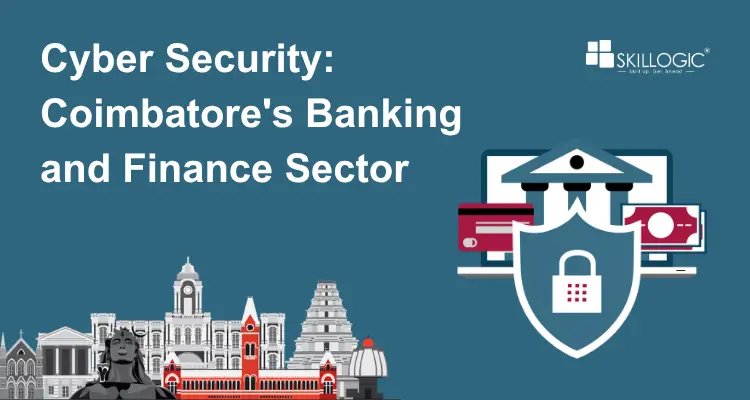
Coimbatore is a major business hub in Tamil Nadu, known for its textile, manufacturing, and service industries. With the growing use of online banking, UPI payments, and digital financial services, protecting financial information has become increasingly important. Banks and financial businesses must take steps to prevent cyber attacks and secure customer data.
Cyber security helps financial businesses in Coimbatore protect customer accounts, prevent online fraud, and maintain secure digital transactions. Strong security measures also help reduce financial losses and build customer trust.
Here, we will explore the role of cyber security in Coimbatore's banking and finance sector, common cyber threats, and effective practices to protect financial businesses.
Role of Cyber Security in Banks and Financial Businesses in Coimbatore
Cyber security helps banks and financial businesses protect digital assets, customer information, and everyday financial operations. Its role goes beyond preventing hackers from accessing computer systems. It also involves identifying suspicious transactions, managing cyber security risks, and ensuring that financial services remain available to customers.
One important area is cyber security in banking sector Coimbatore banks need to safeguard account details, passwords, transaction records, and other confidential information. Encryption, multi-factor authentication, and access controls can reduce the risk of unauthorized access.
Another key area is cyber security in finance sector Coimbatore companies use it to protect digital payment systems and financial applications. These measures can help identify unusual transactions, prevent unauthorized changes to financial records, and limit the damage caused by compromised accounts.
Cyber Security also supports local businesses that accept online payments or use digital banking to manage daily operations.
For example, a textile business in Coimbatore may use online transfers to pay suppliers, while a small retailer may depend on UPI payments from customers. Protecting these transactions helps reduce the risk of fraud and business disruption.
Other important benefits include:
- Customer data protection: Keeping personal details, account information, and transaction records secure.
- Fraud prevention: Detecting suspicious payments, phishing attempts, and unauthorized transfers.
- Business continuity: Reducing downtime caused by malware, ransomware, and other cyber incidents.
- Customer trust: Helping customers feel confident when using digital banking and financial services.
- Regulatory compliance: Supporting the implementation of applicable banking security requirements and data protection practices.
By adopting appropriate security controls, financial businesses can strengthen their operations and provide safer digital services to customers across Coimbatore.
Explore these articles:
- How to Start a Career in Cyber Security
- Best Cyber Security Techniques for Modern Threats
- Risk Management as a Career in Cyber Security
Common Cyber Security Threats Facing Banks and Financial Businesses in Coimbatore
Banks and financial businesses face several types of cyber threats that can affect customer accounts, payment systems, and business operations. Understanding these risks is the first step towards building effective protection.
A report published by The Times of India on May 8, 2026, citing National Crime Records Bureau (NCRB) data, reported that cybercrime cases in Tamil Nadu increased from 2,082 in 2022 to 4,121 in 2023 and 5,793 in 2024. The report also recorded 77 cybercrime cases in Coimbatore in 2022, 340 in 2023, and 300 in 2024. These figures cover reported cybercrime cases overall, rather than banking-related incidents alone.
The official Ministry of Home Affairs press release on NCRB cybercrime data confirms the state-level figures for Tamil Nadu. It also records 29,758 cybercrime offences under the fraud category across India.
These figures show why local businesses should take online security seriously. The main threats affecting the financial sector include the following.
Phishing and Social Engineering
Cybercriminals use fake bank messages, emails, and links to steal passwords, OTPs, and account details. Employee awareness and careful verification can help prevent these cyber attacks.
UPI and Online Payment Fraud
Scammers use fake payment screenshots, fraudulent payment requests, and impersonation tactics to steal money. Businesses should verify transactions through official banking applications.
Ransomware and Malware Attacks
Ransomware can lock important files, while malware can steal sensitive data or compromise systems. Regular updates, security software, and secure backups help reduce these risks.
Data Breaches and Account Takeover
Weak passwords and stolen credentials can expose customer information and enable unauthorized account access. Strong authentication and continuous monitoring help protect financial data.
Attacks on Financial Applications and Networks
Vulnerabilities in banking apps, websites, cloud services, and payment systems can expose financial businesses to cyber attacks. Regular security testing helps identify and fix weaknesses.
Therefore, cyber security in banking sector Coimbatore businesses need should combine strong technology with employee awareness. Similarly, cyber security in finance sector Coimbatore companies implement should include fraud monitoring, secure applications, and effective incident response.
Cyber Security Best Practices for Banks and Financial Businesses in Coimbatore
Financial businesses need a planned approach to protect their systems, customers, and transactions. Good security practices can reduce the chances of cyber attacks and help organizations respond quickly when suspicious activity occurs.
Here are some important measures businesses can follow.
- Multi-Factor Authentication and Data Encryption: Secure user logins and protect sensitive financial information.
- AI-Powered Fraud Detection: Identify suspicious transactions and potential financial fraud using AI tools.
- Regular Security Audits: Check systems and applications for vulnerabilities and fix security gaps promptly.
- Network Security and Monitoring: Use firewalls and continuous monitoring to detect unauthorized access.
- Employee Cyber Security Training: Teach employees to recognize phishing, online scams, and fake payment requests.
- RBI Compliance and Incident Reporting: Follow applicable RBI security requirements and maintain clear procedures for reporting cyber incidents.
For businesses strengthening cyber security in Coimbatore, these practices provide a practical starting point. The right controls will depend on the organization's size, services, technology, and regulatory obligations. Financial businesses should review their risks regularly and update their security measures as threats change.
Read these articles:
- How to Become a Cyber Security Expert in Coimbatore
- Cyber Security Salary in Coimbatore: Fresher to Experienced
- Cyber Security Course Fee in Coimbatore
In short, Cyber security is essential for protecting customer data, preventing financial fraud, and securing digital transactions in Coimbatore's banking and finance sector. As cyber threats continue to evolve, banks and financial businesses should adopt strong security measures, conduct regular audits, and train employees to identify potential risks. These practices can help build customer trust and support safer digital financial services.
For individuals interested in building a career in this growing field, enrolling in a professional cyber security course in Coimbatore can help develop practical skills in threat detection, network security, ethical hacking, and incident response. Hands-on training and industry-relevant certifications can help learners prepare for opportunities in the cyber security industry.
SKILLOGIC offers the Cyber Security Professional Plus Course, designed to provide practical training in ethical hacking, penetration testing, SOC operations, and network security. The program includes hands-on lab sessions, real-world projects, and industry-oriented learning to help learners develop job-ready skills.
Through the SKILLOGIC cyber security class in Coimbatore, students can gain practical knowledge and earn certifications from NASSCOM FutureSkills, IIFIS, and SKILLOGIC course completion Certification. SKILLOGIC has training centres in major Indian cities, including Coimbatore, Bengaluru, Chennai, Hyderabad, Pune, Mumbai, Nagpur, Ahmedabad, Delhi, and Nagpur, helping aspiring professionals build practical skills for a career in cyber security.