Cyber security for the Internet of Things (IoT)
Protect connected devices and data with effective cybersecurity for IoT. Explore key IoT security risks, threats, solutions, and best practices.
 Nashid Hussain CN
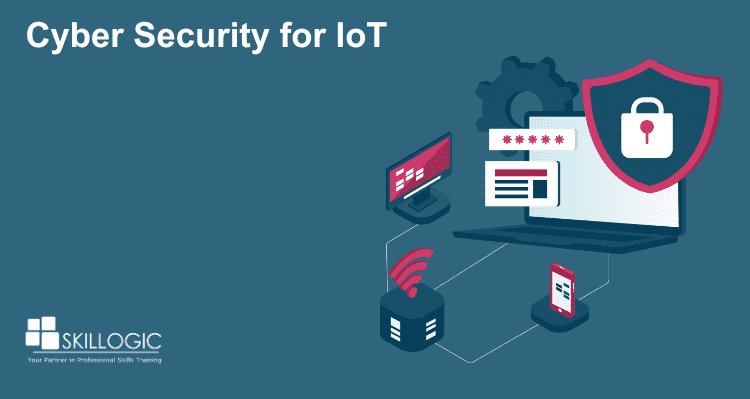
The Internet of Things (IoT) continues to expand rapidly as connected devices become increasingly common across homes, businesses, healthcare, manufacturing, and other industries. According to Ericsson’s 2026 IoT outlook, there were approximately 22.3 billion IoT connections globally in 2025, with the total expected to reach 47.1 billion by 2031. This surge in connectivity brings unprecedented convenience but also poses significant security risks. As more devices become interlinked, ensuring their security becomes paramount.
Why does cyber security matter so much in the IoT landscape? With an ever-increasing number of devices connected to the internet, the potential attack surface for cybercriminals grows exponentially. In this blog, we’ll explore the intricacies of IoT, the threats it faces, and practical measures to secure your devices. By the end, you’ll be equipped with the knowledge to protect your IoT ecosystem effectively.
Here we will discuss how IoT devices work, the common cybersecurity threats they face, real-world security breaches, key protection principles, best practices, and effective steps to respond to IoT security incidents.
Understanding IoT: The Connected World
The Internet of Things (IoT) is a network of physical objects equipped with sensors, software, and various technologies that enable them to connect and share data with other devices and systems via the internet. These devices range from everyday objects like smart thermostats and fitness trackers to complex systems in industrial settings.
- Smart Home Products: Thermostats, lighting systems, and security cameras.
- Wearable Tech: Smartwatches, fitness bands, and health monitors.
- Industrial IoT: Sensors and controllers used in manufacturing and logistics.
- Connected Vehicles: Modern cars and transportation systems use connected sensors and software to monitor vehicle performance, navigation, safety, and driver behavior.
- Healthcare IoT: Connected medical devices such as patient monitors, smart medical equipment, and remote health-monitoring systems help collect and transmit health-related data.
- Smart Cities: IoT technology supports connected traffic systems, smart lighting, environmental monitoring, waste management, and other public infrastructure.
As IoT continues to expand across homes, industries, healthcare, and smart infrastructure, understanding its security challenges is essential to keeping connected systems and data protected.
How IoT Devices Communicate
IoT devices communicate through various protocols and technologies, including Wi-Fi, Bluetooth, and Zigbee. They collect data from their environment, process it, and send it to other devices or central systems for analysis. This interconnectedness is what makes IoT so powerful and, simultaneously, so vulnerable.
Refer these articles:
- Is Ethical Hacking a Good Career Choice in 2026
- Why a cyber Security Career in 2026
- The Future of Cybersecurity: Predictions and Trends
Cyber security Threats to IoT
The Internet of Things (IoT) has revolutionized industries by enabling interconnected devices to collect and share data, enhancing efficiency and convenience. However, the rapid proliferation of IoT devices has also introduced significant cyber security threats. Below are some common IoT security threats, real-world examples, and their impact on users and organizations.
Common IoT Security Threats
As IoT adoption grows across different industries and everyday environments, connected devices face a wide range of security threats that can compromise data, privacy, and system operations.
1. Malware and Ransomware Attacks
How Attacks Occur: IoT devices can be targeted by malware that exploits vulnerable software, weak credentials, or unpatched firmware. Once infected, attackers may use the device to spread malware across a network, steal information, or disrupt connected systems.
Example: An attacker could compromise vulnerable smart cameras or routers and use them as an entry point to access other devices connected to the same network.
2. Firmware and Software Vulnerabilities
Risks: Outdated or poorly secured firmware can contain vulnerabilities that attackers exploit to gain control of IoT devices. Some devices may also have limited update mechanisms, leaving security weaknesses unpatched for long periods.
Example: An IoT device running outdated firmware may contain a known vulnerability that allows attackers to execute unauthorized commands or access sensitive data.
3. Supply Chain Attacks
How Attacks Occur: IoT devices often depend on third-party hardware, software, libraries, and cloud services. A vulnerability or compromise within any part of this supply chain can potentially affect large numbers of connected devices.
Example: If a third-party software component used by thousands of IoT devices is compromised, attackers could potentially use that weakness to target multiple devices or organizations simultaneously.
4. Botnets
How IoT Devices Can Be Compromised: Botnets are networks of infected devices controlled by a single attacker, often without the owners' knowledge. IoT devices, such as cameras, routers, and smart home appliances, are particularly vulnerable to being compromised due to their often weak security measures, like default credentials or outdated software.
Example - Mirai Botnet: The Mirai botnet is one of the most notorious IoT-related botnet attacks. In 2016, Mirai infected hundreds of thousands of IoT devices worldwide by exploiting default usernames and passwords. Once compromised, these devices were used to launch massive Distributed Denial of Service (DDoS) attacks, one of which took down major websites like Twitter, Netflix, and Reddit by overwhelming their servers with traffic.
5. Data Interception and Manipulation
Risks: Data transmitted between IoT devices and central systems can be intercepted by attackers if it is not properly encrypted. This poses a risk of sensitive information being exposed or manipulated, leading to unauthorized actions or breaches of privacy.
Example - Jeep Cherokee Hack: In 2015, security researchers demonstrated how they could remotely intercept and manipulate data in a Jeep Cherokee’s onboard systems. By exploiting vulnerabilities in the vehicle's software, they were able to control critical functions like braking and acceleration, highlighting the dangers of unprotected data transmission in IoT systems.
6. Unauthorized Access
Scenarios: Attackers can gain unauthorized access to IoT devices by exploiting weak authentication mechanisms, such as default passwords or unpatched vulnerabilities. Once inside, they can control the device, steal data, or use it as a gateway to infiltrate larger networks.
Example - Ring Doorbell Hacks: In 2019, multiple incidents were reported where attackers gained unauthorized access to Ring doorbells. They exploited weak or reused passwords to access the cameras, allowing them to spy on homes and even harass individuals by speaking through the device’s speakers.
7. Denial of Service (DoS) Attacks
How Attacks Occur: In a DoS attack, the attacker overwhelms an IoT device or network with excessive traffic, causing it to become slow or unresponsive. In the context of IoT, this can disable critical services, disrupt operations, and cause widespread inconvenience or damage.
Example - Krebs on Security DDoS Attack: The Mirai botnet was also responsible for a massive DDoS attack on the cyber security blog "Krebs on Security." The attack was one of the largest of its kind, and it leveraged tens of thousands of compromised IoT devices to generate a traffic volume of 620 Gbps, effectively knocking the site offline.
Real-World Examples of IoT Security Breaches
These real-world incidents show how vulnerabilities in connected devices can expose sensitive data, disrupt essential services, and provide attackers with access to wider networks.
BADBOX 2.0 IoT Botnet (2025): The FBI warned in June 2025 that cybercriminals were exploiting compromised IoT devices, including TV streaming devices, digital projectors, aftermarket vehicle infotainment systems, and digital picture frames. The BADBOX 2.0 botnet involved millions of infected devices and was used to provide access to compromised home networks for malicious activities.
Smart CCTV Camera Vulnerability (2025): A vulnerability discovered in the AZIOT 2MP Full HD Smart Wi-Fi CCTV Home Security Camera allowed local attackers to gain root access. The flaw could expose Wi-Fi credentials and ONVIF service credentials stored in plaintext, potentially allowing further compromise of connected systems. The vulnerability was recorded as CVE-2025-50777 by the National Vulnerability Database.
Shark Robot Vacuum Security Flaw (2026): In July 2026, researchers reported a serious security flaw affecting Shark robot vacuums. A stolen device certificate could potentially be used to send commands to other devices in the same AWS region, exposing features such as live camera feeds, home maps, and Wi-Fi credentials. This example highlights the risks created by poorly configured cloud-based IoT access controls.
St. Jude Medical’s Cardiac Devices (2017): Vulnerabilities were discovered in St. Jude Medical’s implantable cardiac devices that could allow attackers to remotely disable the devices or drain their batteries. This breach raised concerns about the safety of medical IoT devices and led to a recall and software update to address the vulnerabilities.
Verkada Camera Hack (2021): Hackers gained access to 150,000 security cameras operated by Verkada, a Silicon Valley startup. The breach exposed live feeds from cameras inside hospitals, schools, prisons, and companies like Tesla. This incident highlighted the risks of centralized IoT systems and poor security practices.
Refer these articles:
- What is Cyber Security Professional Plus
- Why Cyber Security Course in India in 2024
- Cyber Security Scope in India
Key Principles of IoT Cyber security: Building a Strong Defense
IoT (Internet of Things) cyber security is critical due to the growing number of connected devices, which often have weaker security controls than traditional IT systems. Below are the key principles of IoT cyber security:
Authentication and Authorization
Strong authentication and authorization are fundamental to IoT security. This involves using complex, unique passwords and implementing multi-factor authentication to ensure that only authorized users can access devices.
- Strong Passwords: Avoid using default or easily guessable passwords.
- Multi-Factor Authentication: Add an extra layer of security.
Encryption
Encryption plays a crucial role in safeguarding data, whether it's being transmitted or stored. Encrypting communications ensures that intercepted data remains unreadable, while encrypting stored data prevents unauthorized access.
- Data in Transit: Utilize encryption protocols such as TLS/SSL to secure data during transmission.
- Data at Rest: Encrypt data stored on devices and servers to ensure its protection.
Network Security
Segregating IoT devices from critical networks and using firewalls helps to minimize the risk of a compromised device affecting more sensitive systems. This segmentation ensures that potential breaches are contained.
- Network Segmentation: Separate IoT devices from core networks to enhance security.
- Firewalls: Use firewalls to block unauthorized access.
Regular Updates
Keeping firmware and software up to date is crucial for closing security vulnerabilities. Regular updates ensure that devices have the latest security patches and improvements.
- Firmware Updates: Apply updates from manufacturers promptly.
- Software Patches: Install security patches as soon as they are available.
Best Practices for IoT Security: Securing Your Devices
Securing IoT devices is crucial due to their interconnected nature and the potential risks they pose if compromised. Here are several best practices to strengthen IoT security:
Device Management
Effective device management involves maintaining device security through regular updates and strong authentication methods.
- Update Management: Regularly update device firmware and software.
- Authentication: Use strong, unique passwords for each device.
Network Security
Securing the network in which IoT devices operate is essential. Implementing encryption and secure communication protocols enhances overall security.
- Encryption: Encrypt data transmitted over the network.
- Secure Protocols: Use secure communication protocols like HTTPS.
Data Protection
Protecting data involves encrypting both data in transit and at rest, and controlling access to sensitive information.
- Data Encryption: Encrypt data both during transmission and when stored.
- Access Controls: Monitor and control access to data.
User Awareness and Training
Educating users on IoT security best practices is crucial. Users should be aware of potential threats and know how to respond to security incidents.
- Training Programs: Implement cyber security courses and training for users.
- Threat Recognition: Teach users to recognize and report suspicious activity.
Refer these articles:
- Cyber Security Course Fee in India
- Cyber Security Course Fees in Bangalore
- Cyber Security Course Fee in Nagpur
How to Respond to IoT Security Incidents: A Strategic Approach
Responding to IoT security incidents requires a well-thought-out strategy due to the complexity and interconnected nature of IoT systems. Here’s a strategic approach to handling these incidents:
Incident Response Plan
Having a well-defined incident response plan is essential for managing security breaches effectively. This plan should outline procedures for addressing and mitigating the impact of an incident.
- Preparation: Develop a comprehensive response plan.
- Communication: Establish clear communication channels during an incident.
Steps to Take
If an IoT device is compromised, immediate actions include disconnecting the device from the network and assessing the extent of the breach. Quick action can help minimize damage.
- Isolation: Disconnect affected devices from the network.
- Assessment: Evaluate the scope and impact of the breach.
Legal and Compliance Issues
Understanding legal and compliance requirements is vital for managing security incidents. Ensure that your response aligns with regulatory standards and legal obligations.
- Compliance: Stay informed about relevant regulations.
- Legal Consultation: Seek legal advice if necessary.
In conclusion, securing IoT devices is crucial as their prevalence continues to grow. By understanding the threats and implementing best practices, you can protect your IoT ecosystem from potential attacks. Stay informed, invest in cyber security training, and ensure your devices are always up-to-date. For further guidance, consider exploring additional resources on IoT cybersecurity.
For more insights, take advantage of cyber security courses and training to stay ahead of emerging threats. Secure your IoT devices today and contribute to a safer, more connected world.
At SKILLOGIC Institute, we recognize the growing significance of cyber security in the IoT landscape. Our Cyber Security Professional Plus Course is meticulously designed to equip learners with the expertise needed to tackle the unique security challenges associated with IoT environments. Accredited by industry-leading bodies such as IIFIS and NASSCOM FutureSkills, our course offers comprehensive training that integrates real-time projects and exclusive practice labs. This hands-on approach ensures that participants gain practical experience and a deep understanding of how to protect IoT systems from potential threats.
With over 100,000 learners empowered through our programs, SKILLOGIC is committed to advancing careers in cyber security by providing top-tier education and practical skills. Our emphasis on real-world applications and industry-recognized certification positions us as a leading choice for professionals aiming to excel in the ever-evolving field of cyber security, particularly in the context of IoT. Join us to stay ahead of the curve and safeguard the future of connected technology.